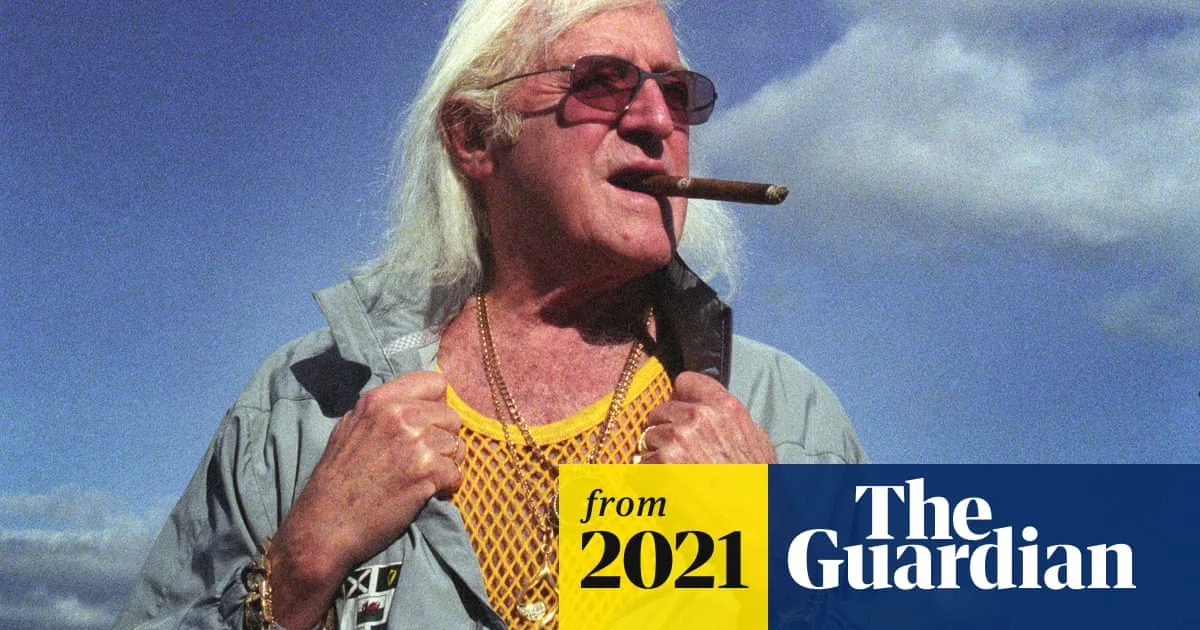
On 29 October 2011, the day Jimmy Savile died aged 84, comments on a Friends Reunited page for Duncroft School hinted at the dark truth. One message read: 'He died today, RIP no RIH yes rot in hell.' Another called him a 'child molester' whose 'celebrity status saved you'. Duncroft was a Home Office-approved school for 'intelligent but emotionally disturbed girls'.
Savile was given a sendoff fit for a national treasure. As a BBC Radio 1 DJ and Top of the Pops co-presenter, his oddness enhanced his celebrity. His long-running show Jim'll Fix It made him a godfather figure. At a BBC news editors' meeting the Monday after his death, staff were told to take coverage of his funeral seriously and reminded that to many he was a northern hero.
Meanwhile, BBC head of television George Entwistle learned no obituary was ready for Savile due to his 'dark side', which made an honest film impossible. The plan was to avoid making anything new about Savile. But in the Newsnight office, social affairs correspondent Liz MacKean and producer Meirion Jones began investigating Savile's history.

Jones had a personal connection: his aunt ran Duncroft. In the early 1970s, he often saw Savile's white Rolls-Royce there. His parents were concerned about Savile taking girls off site. In 2010, Jones found a memoir online by a former pupil detailing abuse by a celebrity 'JS'. Despite legal risks, they pursued the story, knowing that the girls' credibility would be attacked in court.