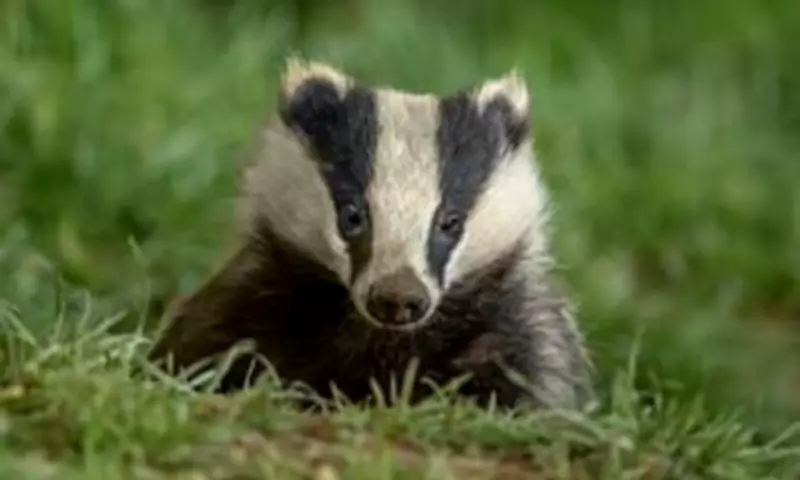
Energy company Fred Olsen Renewables delayed the installation of £50 million worth of turbines for three weeks to protect a pheasant nest, only for the eggs to be eaten by a badger. The incident occurred at the Crystal Rig wind farm site near Dunbar in East Lothian, Scotland.
Discovery and Protection Measures
Workers preparing to take delivery of the turbine parts discovered the nest, which contained pheasant eggs protected by environmental laws. To comply with regulations, the costly components were stored at Rosyth Dockyard in Fife while the company waited for the eggs to hatch and the chicks to fledge. Protective barriers were installed around the nest, and workers monitored it both in person and via cameras.
Unexpected Raid
After weeks of protection, the nest was found ransacked. Reviewing camera footage revealed that a badger had raided the nest, with clips showing the animal disappearing into long grass near the eggs. The incident was disclosed during an East Lothian Council meeting, where Fred Olsen Renewables argued for an access road for new turbines.

Context and Reactions
Crystal Rig 1, Scotland's largest wind farm when it began operating in 2003, is due for decommissioning in 2028. The company has applied to the Scottish Government's Energy Consent Unit (ECU) to replace the turbines. Council officers approved the repowering in principle but requested more information on the proposed access route and recommended objecting due to landscape concerns.
Euan Hutchison, Fred Olsen’s development director, cited the nest incident as an example of the company's commitment to environmental responsibility. A company spokesman stated: 'Nesting pheasants were identified close to the site access, requiring works in that area to be restricted for around three weeks to avoid any disturbance during the breeding season.'
Councillors voted to submit an objection to the ECU, agreeing to seek resolution through discussions and attach conditions to consent if necessary.