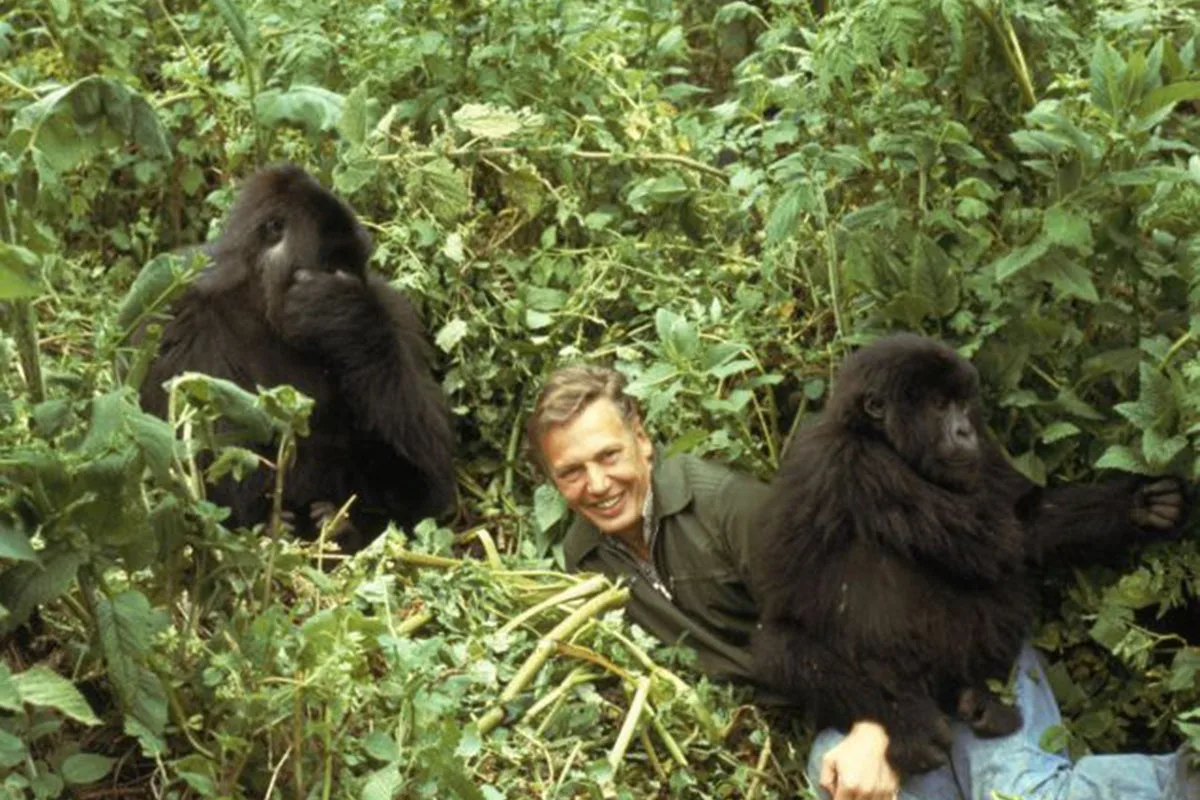
Sir David Attenborough has revealed that he and his film crew were interrogated by Rwandan police after capturing a young gorilla climbing on top of him in the jungle in 1978. The footage, which became one of the most iconic moments in natural history television, was nearly confiscated before it could leave the country.
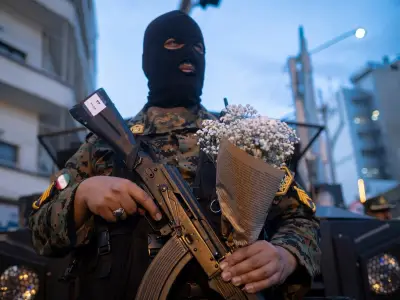
In a new BBC documentary, Making Life on Earth: Attenborough’s Greatest Adventure, the broadcaster described being stopped by armed soldiers while heading back to the airport. The soldiers fired guns over the crew’s heads before taking them to police headquarters for questioning.
“I thought: ‘What’s happening?’” Attenborough said. “We were taken to police headquarters and interrogated as to what we’d been doing. We’d got all the permissions that were needed so it was absolutely ok.” Cameraman Martin Saunders, fearing the film would be confiscated, quickly swapped the labels on the film cans to make it appear that the gorilla footage had not been used.

After being held in a hotel overnight, Attenborough and Saunders were taken to an army compound the next morning. Saunders recalled: “David and I were told to stand in the middle of this compound in the sun. We weren’t even allowed to go into the shade. I thought, ‘I don’t know. They’re going to put us against the wall and shoot us or something.’”
The iconic sequence was filmed for the 1979 series Life on Earth, in which Attenborough joined primatologist Dian Fossey in the Virunga mountains. Originally intending to discuss the evolution of the thumb and forefinger, Attenborough instead found himself interacting with a young gorilla named Pablo. “Sheer bliss, really,” he said of the moment.
Making Life on Earth: Attenborough’s Greatest Adventure airs on BBC One on Sunday 3 May at 8pm, ahead of Attenborough’s 100th birthday on 8 May.