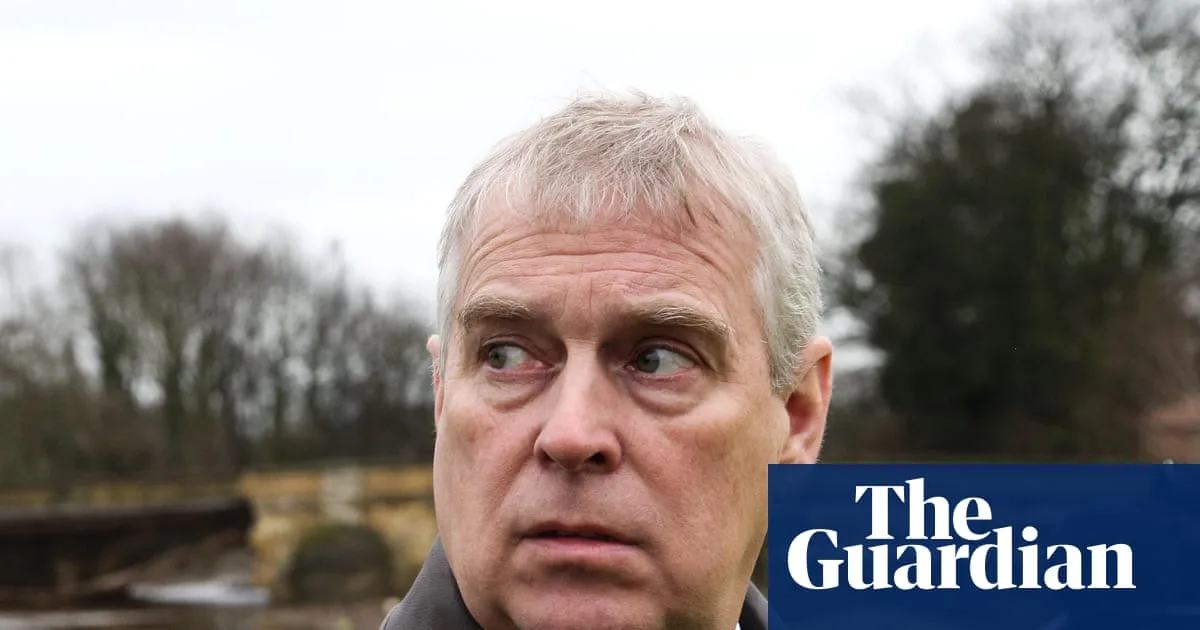
Andrew Mountbatten-Windsor charged taxpayers for massages and excessive travel expenses while serving as the UK's trade envoy, according to reports from former senior civil servants. The claims, which include costs for massage services and unreasonable travel expenses, were allegedly waved through due to a culture of deference within Whitehall.
One former civil servant from the trade department in the early 2000s told the BBC that he refused a claim for massage services following a Middle East visit, but was overruled by senior colleagues. He expressed regret that the expense was approved, stating, 'We should have flagged that something was wrong.'
A second source, who oversaw finances, confirmed similar expense claims for Andrew's trips, including excessive flights, unreasonable numbers of hotel rooms, and charges for his entourage. The costs were reportedly spread across different budgets, making them difficult to trace, and checks on spending were described as a 'rubber stamp' rather than genuine scrutiny.

A third source claimed Andrew was an ineffective trade envoy, whose visits could harm local relations. The source said, 'Andrew was seen as a liability. He went off-script, he thought he was an expert, when he wasn’t. He thought he was funny, when he was being rude to people.'
The Department for Business and Trade did not deny the claims, instead referring to a statement from Thames Valley police regarding Andrew's recent arrest. Andrew was released under investigation after being held for over 10 hours, but there is no suggestion the alleged behaviour amounts to unlawful conduct. His lawyers have declined to comment.