Labour has moved ahead of Reform in the polls for the first time since March last year, with three separate surveys this week putting the party under Andy Burnham in front of Nigel Farage's party.
Monday's More in Common poll gave Labour 28% to Reform's 24%, while Tuesday's Survation poll showed Labour on 26% and Reform on 24%. A third poll on Friday gave Labour a five-point lead, at 28% to 23%.
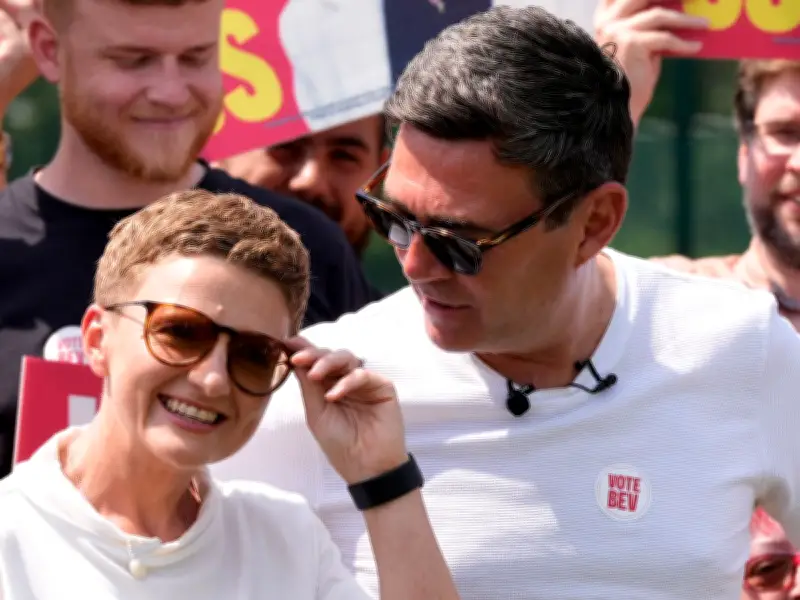
Labour also won the Greater Manchester mayoral election, with Bev Craig securing 309,525 votes against Reform's Sian Astley on 157,178. Reform has now lost six by-elections in a row, plus a mayoral race.
What is behind the Burnham bounce?
The week's results were described as a "Burnham bounce" by polling expert Sir John Curtice, coming alongside a Conservative recovery as voters who had moved to Reform return. The Green Party, which months earlier had vowed to replace Labour, has fallen to just 8% in the More in Common poll.
A government source credited a policy blitz from the new prime minister, including slashed energy bills, relief for pubs and a cap on bus travel. "Two weeks in and Andy has wasted no time. He's put money back in people's pockets and given families breathing space on the cost of living. And he's shown real courage, running towards the problems politicians have dodged for years including social care, youth unemployment, devolution," the source said.
What the experts say
Sir John Curtice said the bounce was in line with what would be expected after a mid-parliament change of prime minister, with Liz Truss the exception. He said support for Reform had fallen since the Sunday Times report on alleged undeclared support for Mr Farage from George Cottrell, and since Farage announced he would fight a by-election. Reform's support had settled at about 24%.
"I can see Reform going back down to the 15% that they got in 2024, but I don't think they're going to disappear," he said. He added that Labour's rating was still lower than for any previous mid-term prime minister after a bounce, and about 10 points down on the relatively low figure the party enjoyed in 2024. The Conservatives, he noted, were averaging 20% for the first time in nearly a year.
Professor Tim Bale of Queen Mary University of London said: "If Labour are sensible they should be expressing no more than cautious optimism. Those poll leads are narrow and may well be as much about Farage running into trouble and the shine coming off Polanski as they are about the change of PM." He added that Burnham would need to deliver tangible progress on the cost of living, NHS waiting lists and small boats in the medium and long term, saying: "The vibes have certainly improved - and that's reflected in the polls. But if Labour's narrow lead is to last - and to grow - they'll need more than vibes."
Tories turn a corner
Conservative sources said Kemi Badenoch's improved confidence at Prime Minister's Questions and in interviews, plus a series of scandals, had pushed voters away from Reform UK. Party chairman Kevin Hollinrake MP said the party had "turned a corner" under Badenoch's leadership, adding: "Nigel Farage is more interested in spending his summer fighting a fake by-election to boost his own ego and distract from Reform's mounting scandals."
One Tory source said the party had "turned a bit of a corner" and had a popular leader, while Reform and Farage were "not coming across well", citing the £5 million and calling the by-election a "total farce". The source also said the party was "better off without the defectors", adding: "You don't have people like Robert Jenrick sloping around. They have a massive air of sleaze about them, Jenrick is being investigated by police, Richard Tice is being investigated by the police, and Farage by the parliamentary standards commissioner. There are literally five millions questions about how they are financed and who their donors are. People do care, trust in politics matters."