Gary Woodland's Masters Journey: Armed Security Amid PTSD Battle
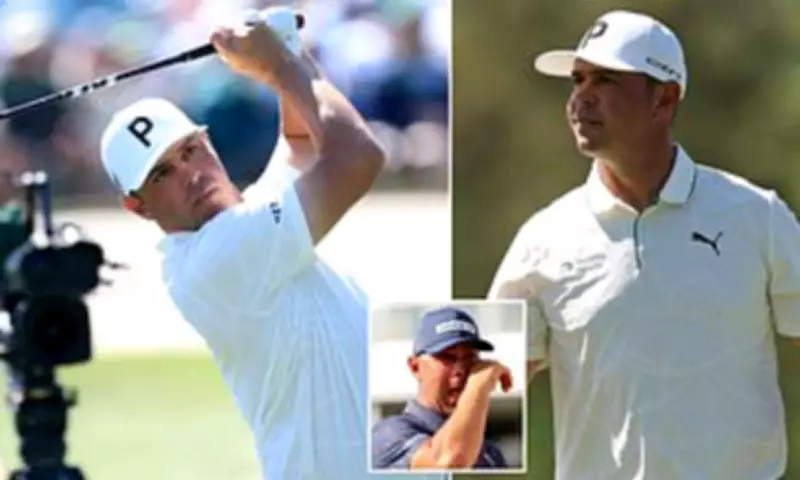
At the prestigious Masters tournament, tradition dictates that only a player's caddie is permitted inside the ropes, maintaining the serene atmosphere of Augusta National's fairways. This week, however, an exception was made for Gary Woodland, the 2019 US Open champion, who is battling severe health issues including post-traumatic stress disorder (PTSD) and a recent brain lesion removal.
Health Struggles and Security Measures
Woodland's return to competitive golf is nothing short of remarkable. In 2023, he underwent surgery to remove a baseball-sized lesion from his brain, which had been causing seizures, anxiety, and an intense fear of dying. When symptoms persisted post-surgery, he was diagnosed with PTSD, a condition that has profoundly affected his mental state. Earlier this week, the 41-year-old father of three opened up about his ongoing battle, stating, 'I'm in a battle,' and admitting he lacks control when PTSD episodes strike.
Due to these challenges, Masters officials deployed an armed security guard to escort Woodland throughout the tournament. This guard has been a constant presence, hovering near greens and fairways, walking between holes with the world No. 52, and ensuring protection on tight tee boxes where Woodland's caddie positions himself between the player and the crowd.

On-Course Challenges and Emotional Resilience
Woodland's PTSD has led to fears that fans might be trying to harm him, with sudden movements from behind—whether from spectators, cameramen, or officials—potentially triggering his condition. There have been moments when he doubted his ability to mentally endure a tournament week. Last month, after winning the Texas Children's Houston Open, he broke down in tears, highlighting the emotional toll of his journey.
Despite these obstacles, Woodland's resolve has shone through at Augusta. His second round on Friday was a grind, starting at one-under-par but including mishaps like a visit to the water and a trip to the wrong hole. He flirted with the cut line before securing his weekend spot with a terrific birdie, finishing with a 75 to stand at +2 for the tournament.
The Security Detail in Action
The security guard, initially overdressed in a thick jacket under Georgia sunshine, quickly adapted by ditching the jacket to blend in as a middle-aged man in a polo, chinos, and a Masters cap. However, subtle signs—such as a holstered gun and an extra magazine—distinguished him from other patrons. Woodland explained that being able to see the guard helps reassure him of his safety, a crucial factor in managing his PTSD during play.
Throughout the round, supporters rallied around Woodland, offering encouragement that he reciprocated with smiles, fist bumps, and high fives. His security detail remained ever-present, a silent guardian ensuring his focus could remain on the game. This unique arrangement underscores the intersection of mental health and elite sports, showcasing Woodland's bravery in competing at the highest level while navigating personal turmoil.