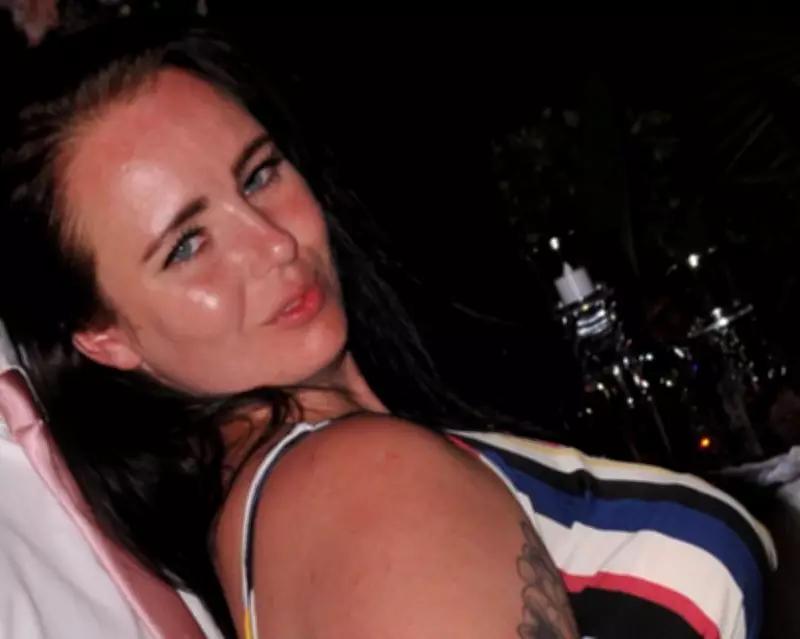
A woman who drowned after becoming trapped headfirst in sea defence rocks might have been saved if the ambulance service had alerted the fire service more promptly, a coroner has concluded.
Incident Details
Saffron Cole-Nottage, 32, was walking the family dog with her daughter along the seafront in Lowestoft, Suffolk, when she fell as the tide was coming in on 2 February 2025.
A young girl called 999 at 7:52 PM. Within the first 30 seconds, she informed the ambulance service call handler that Cole-Nottage was “caught head down in the rock” near the seafront.

At 7:57 PM and 7:58 PM, the caller reported that Cole-Nottage was “screaming,” and a minute later stated she was “in the water now.”
Emergency Response Timeline
Suffolk Fire and Rescue Service was the last of the four emergency services to be notified, with the first communication to them at 8:04 PM. Firefighters arrived at 8:22 PM, and the area coroner, Darren Stewart, noted it took them less than half a minute to free her after first hands were placed on her at 8:29 PM. Cole-Nottage, a cleaner, was pronounced dead at 8:44 PM.
Coroner's Findings
Recording a narrative conclusion, Stewart stated that Cole-Nottage “died from drowning which has come about due to accidental circumstances.” He said the East of England Ambulance Service “didn’t immediately contact the fire service.”
Stewart added: “Had the Suffolk Fire and Rescue Service been immediately alerted to the incident … it’s possible that Saffron would have been extricated from the rocks sooner and survived. However, it’s not probable she would have done so.”
The coroner will write to the chief executive of the East of England Ambulance Service and the head of NHS England with concerns, including the time taken to identify the incident as a rescue during the 999 call and to pass that information to the fire service.
Stewart also highlighted a “failure” to follow Joint Royal Colleges Ambulance Liaison Committee guidance, which states a submerged person should be treated as a rescue for a minimum of 30 minutes. He said the clock should start when a first responder arrives and confirms submersion, and that the first paramedic made a “premature decision to consider Saffron to be deceased.”
Call Handler Advice
During Friday’s hearing, Stewart noted the 999 call handler told the caller not to attempt a rescue or move Cole-Nottage after she was reported to be in the water. He described this as “an extraordinary message” given the circumstances, attributing it to “slavish adherence to the entrapment protocol” before moving to a drowning protocol.