

WNBA's Landmark Agreement Inspires a Generation of Female Advocates
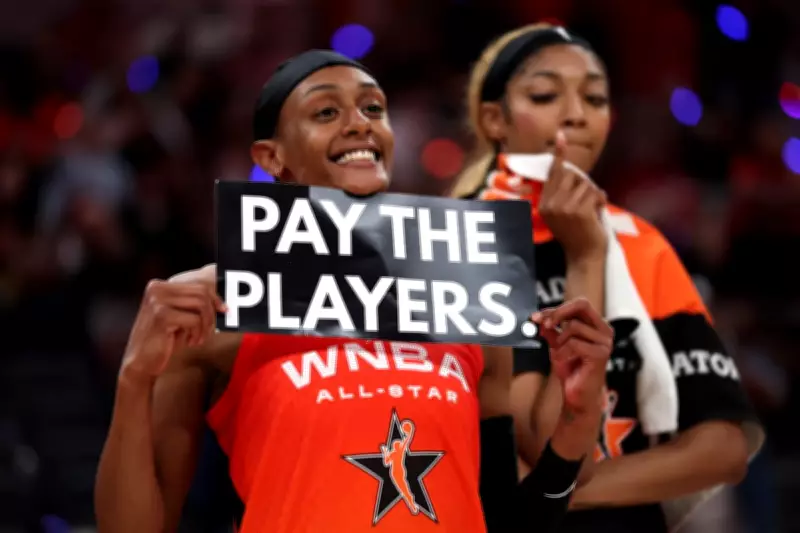
Brittney Sykes of the Washington Mystics made a powerful statement by holding a 'Pay the Players' sign after last year's WNBA All-Star Game at Gainbridge Fieldhouse in Indianapolis. This act symbolized the ongoing struggle for equity in women's sports, a theme that resonates deeply with young athletes across the globe.
A New Collective Bargaining Agreement Sparks Debate
The WNBA recently secured a historic seven-year collective bargaining agreement, marking a significant step forward. The deal includes a salary cap increase to $7 million, up from $1.5 million in 2025, with maximum salaries approaching $1.4 million. It also features 20% revenue sharing, expanded rosters, and charter flights. However, the negotiations revealed persistent attitudes that undermine women's sports.
In an interview for the podcast The Rematch, journalist Jemele Hill highlighted a prevalent mindset: "Hey sweetie, you should just be happy that somebody is letting you put on a uniform and bounce a ball." This sentiment reflects broader societal challenges that female athletes face daily.

Personal Insights from a Father and His Daughters
Etan Thomas, a father of two daughters, Imani and Sierra, who play volleyball in Maryland, shared how his family closely followed the WNBA negotiations. During a school run, they listened to discussions about Minnesota Lynx star and WNBPA vice-president Napheesa Collier, who publicly criticized the league's leadership for a "dangerous and dismissive culture." Collier accused the WNBA of ignoring injuries, brushing off officiating concerns, and failing to treat players with basic respect.
Collier recounted a meeting with commissioner Cathy Engelbert, where she raised issues such as poor officiating and rookie salaries for high-revenue players like Caitlin Clark, Angel Reese, and Paige Bueckers. Engelbert allegedly told players they should be "on their knees thanking their lucky stars" for media deals, a statement she later disputed. Collier's bold critique sparked reactions from commentators like Dan Dakich and Frank Isola, who dismissed her concerns with a tone of disbelief and condescension.
Young Athletes Recognize Familiar Patterns
Thomas's daughters and their friend Addy immediately recognized the dismissive attitudes. Addy questioned, "Does he not know Napheesa Collier is probably second only to A'ja Wilson? He's talking about her like she's a little girl." Imani added, "He thinks all WNBA players should be crawling on their knees thankful? Who is this guy? What decade are they in? This is 2026, not the 1950s." Sierra noted, "They act like women don't deserve anything. Basically: shut up and dribble and be thankful? I'm glad she called them out. So that doesn't change once we grow up, huh?"
When asked if they encounter similar thinking as female athletes, all three responded affirmatively. They shared stories of unequal treatment, such as teams practicing outside so boys can use the gym, weight-room slots at inconvenient times, and outdated uniforms for girls while boys receive new ones annually. These experiences are often normalized, highlighting systemic issues in youth sports.
Broader Implications and Structural Challenges
Sierra referenced the Apple TV show Swagger, where a female basketball player stands up to male counterparts, reinforcing the importance of self-advocacy. This mirrors the WNBA players' efforts to demand fair treatment. Thomas explained that he speaks out against commentators like Dakich and Stephen A. Smith to challenge these narratives.
A common argument during negotiations was that the WNBA generates less revenue than the NBA, so it shouldn't expect equal treatment. However, this doesn't justify second-class citizenship. Before the new deal, WNBA players received only about 9% of league revenue, compared to 49-51% for NBA players, 62% for NFL players, 50% for NHL players, and 48% for MLB players. This disparity was not just inequitable but disrespectful.

Hill emphasized, "Women in sports have had to have this fight for dignity and respect from the day women began playing sports." The gender pay gap in the US, where women earn roughly 82 to 85 cents for every dollar men earn, reflects broader structural issues rooted in unequal opportunities and norms.
The Power of Solidarity and Future Impact
No WNBA player expects to be paid like NBA stars, but it's outrageous that professional athletes have needed second jobs to make ends meet. For years, players have gone overseas in the offseason to supplement income. This reality shouldn't exist in 2026. The WNBA players understood their value, organized, and advocated for a transformative deal.
This act of solidarity sends a powerful message to young girls everywhere. As Thomas's oldest daughter stated, "As a Black woman in sports, seeing players in the WNBA demand fair pay reminds me that I have to stand up for my worth. Because if I don't, society will keep undervaluing me no matter how hard I work." This moment of progress in the WNBA serves as a beacon of hope and empowerment for future generations of female athletes.





