

Wimbledon Introduces Video Review System to Tackle Line-Calling Errors
Wimbledon is set to follow the lead of the Australian and US Opens by deploying a video review system on its premier courts, marking a significant shift one year after a tournament marred by electronic line-calling missteps. This move comes after the decision last year to eliminate line judges, leaving Roland-Garros as the sole Grand Slam event still relying on traditional analog officiating methods.
Expanding Technology Across Major Courts
SW19 will now align with the tournaments in Melbourne and New York, as well as Masters events on both the men's and women's tours, by incorporating technology that permits players to request video reviews on contentious points. According to reports from the Times, players will have access to this technology on six show courts: Centre Court, No1 Court, No2 Court, No3 Court, Court 12, and Court 18. The two largest courts will utilize reviews throughout the championships, while smaller courts will feature the technology until the conclusion of singles events.
Learning from Past Incidents
Video Assistant Review (VAR) has seen increasing use at other tennis events since 2023, with a notable instance occurring at the 2025 Dubai Open. During a match between Felix Auger-Aliassime and Alexander Bublik, Auger-Aliassime claimed interference from a moving ball kid, and a video review confirmed his assertion, leading to a replay of the point. This incident highlighted the potential benefits of video review in resolving disputes.

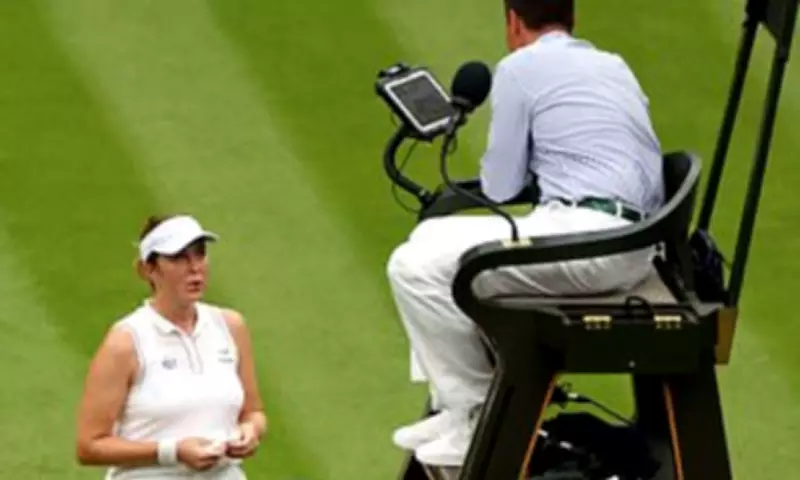
Last year at Wimbledon, Anastasia Pavlyuchenkova felt aggrieved when a volley from Sonay Kartal, which appeared to land well out, was missed by the electronic line-calling technology. With no review option available, Pavlyuchenkova argued with chair umpire Nico Helworth, stating, "I don’t know if it’s in or it’s out. How do I know? You cannot prove it. Because she is local, they can say whatever. You took the game away from me." Helworth responded, "The problem is that we have to go with the system. If they tell me it is up and running, there is nothing we can do. If they tell me they don’t have it, that’s the rule unfortunately." Pavlyuchenkova later remarked, "They stole the game from me," though she still managed to win the opening set.
Enhancing Player and Spectator Experience
Following this controversy, Wimbledon confirmed that the ability to manually disable electronic line calling had been removed. Home favourites such as Jack Draper and Emma Raducanu were among those who criticized the first year of electronic line calling, but the introduction of video reviews should empower players to challenge decisions with greater confidence when they suspect errors.
Spectators at this year's tournament in south-west London will also benefit from improvements, with the addition of visual indicators for line calls. In the past, line judges used hand signals to indicate whether a ball was out, aiding those with hearing impairments. However, in 2025, the removal of line judges left spectators relying solely on the automated voice of the electronic judge, causing difficulties. The new visual aids aim to address this issue, enhancing the overall viewing experience for all attendees.






