
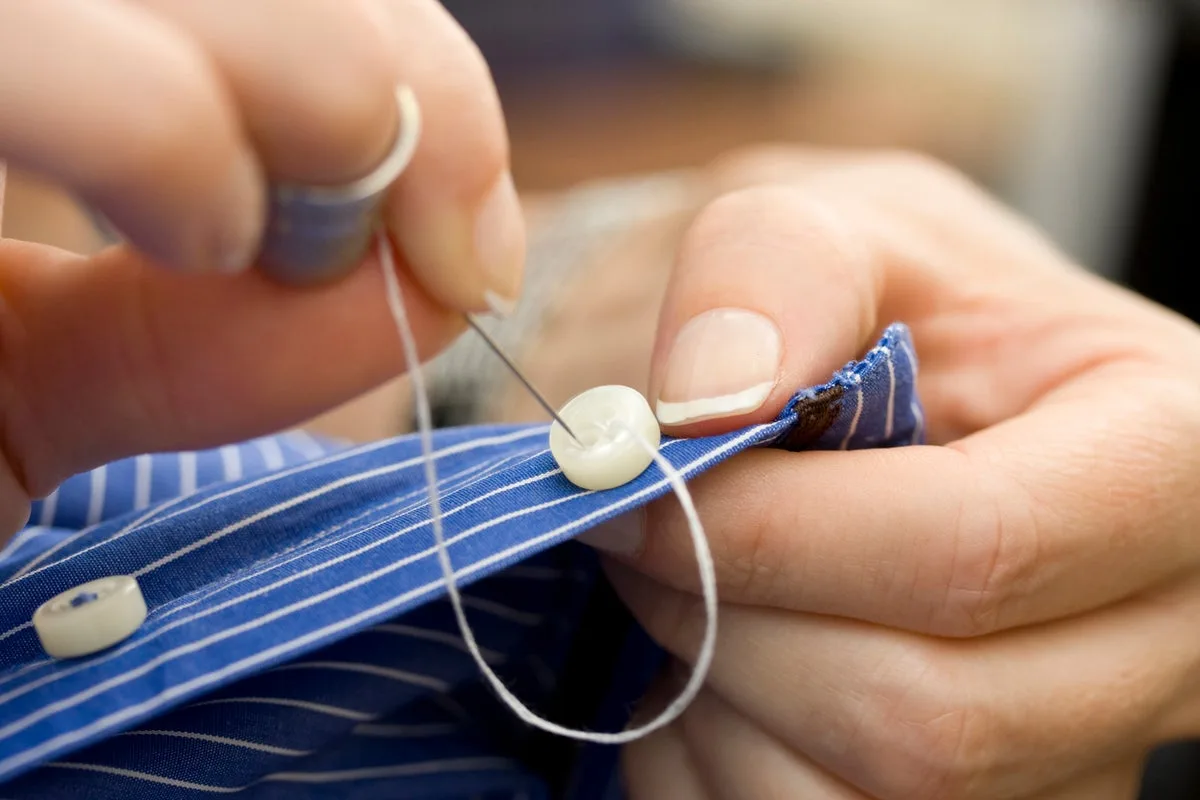
Have you ever noticed that women's shirts often have buttons on the left side, while men's shirts button on the right? The same pattern can apply to zippers on trousers and jackets. This gender-based difference in clothing fastenings has historical roots dating back centuries.
Fashion historians explain that the tradition stems from European fashion history. Wealthy noblewomen wore elaborate dresses that required assistance to fasten. Since about 90% of people are right-handed, buttons were placed on the left side of the garment so that a maid, facing the wearer, could use her dominant right hand to button them easily. Men, who typically dressed themselves, had buttons on the right side for convenient self-fastening with their right hand.
Military traditions may have also influenced men's button placement. Men often wore swords on their left side and drew them with their right hand. The direction of jacket and shirt closures likely prevented fabric from catching on the sword. As clothing manufacturing became industrialised in the early 19th century, factories standardised these patterns, cementing the tradition even as its origins faded from memory.
When zippers gained popularity in the early 1900s, manufacturers simply followed the same left-right conventions established for buttons. Today, however, many brands are moving towards unisex and gender-neutral designs, and the old rules are increasingly seen as optional. As one fashion researcher notes, “It’s just a fashion tradition – there’s no reason zippers and buttons need to go on different sides for men versus women.”




