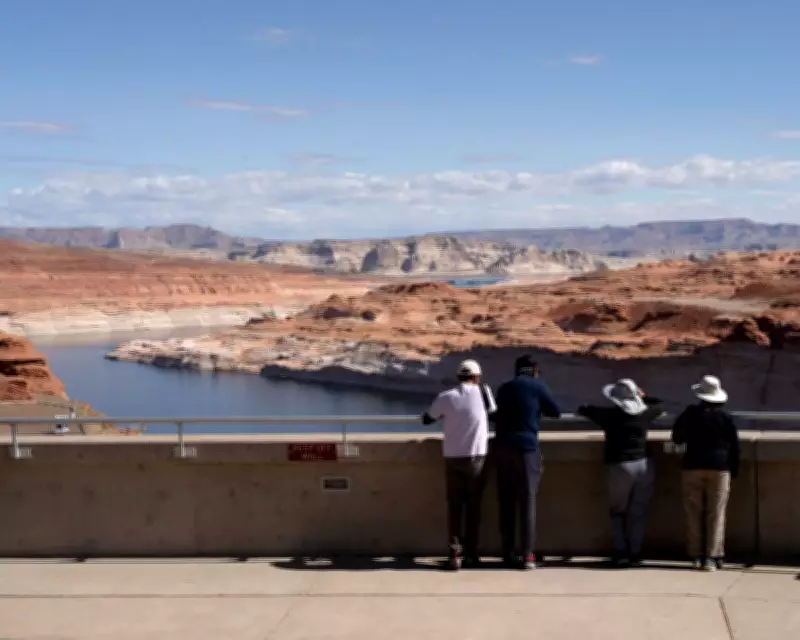
The US government has unveiled a proposal for the drought-stricken Colorado River that could reduce water supplies to Arizona, California, and Nevada by up to 40% of current levels, as the river's reservoirs continue to plummet to critically low levels.
Details of the Proposed Plan
Tom Buschatzke, director of the Arizona Department of Water Resources, shared details of the Trump administration's plan during a state meeting on Wednesday. Under the 10-year plan, set to be finalized in June, the annual water delivery to the three states could be slashed by up to 3 million acre-feet, with reductions evaluated every two years. This volume of water is enough to supply 6 million to 9 million households for a year, exceeding the number of homes in Arizona and Nevada combined.
Implementation and Legal Framework
Buschatzke noted that the federal plan would be implemented either under existing Colorado River law or through interstate agreements. Federal officials have indicated that cuts across the lower-basin states would be based on the "priority of the law of the river," referring to the 1922 Colorado River Compact, which grants California the highest water-use priority. He described the proposed cuts as "sobering," particularly for Arizona, potentially reducing flows from the Central Arizona Project to zero.

Background and Context
The Colorado River supplies water to approximately 40 million people across the American West. The proposal follows months of failed negotiations among the seven states that depend on the river, missing a February federal deadline to agree on how to divide water cuts. Over the past two decades, the river has lost about 27.8 million acre-feet of groundwater, largely due to overuse, exacerbated by a record snow drought this year.
State Reactions and Alternative Proposals
The upper basin states—Colorado, Utah, Wyoming, and New Mexico—have resisted reductions, arguing that downstream states (California, Arizona, and Nevada) should bear the burden of shortages. Meanwhile, California, Arizona, and Nevada proposed their own voluntary cuts of up to 3.25 million acre-feet through 2028, with Arizona reducing by 760,000 acre-feet, California by 440,000, and Nevada by 50,000. However, this plan's viability remains uncertain, requiring cooperation from state agencies and the federal government. The US Bureau of Reclamation is evaluating the risks and benefits of the lower basin states' proposal.
During public comment, Patrick Adams, senior water policy adviser to Arizona Governor Katie Hobb, expressed alarm at the federal plan, stating, "The risk of 3 million acre-feet of reductions only in the lower basin is something that's quite alarming to us. So we need to grapple with that."