

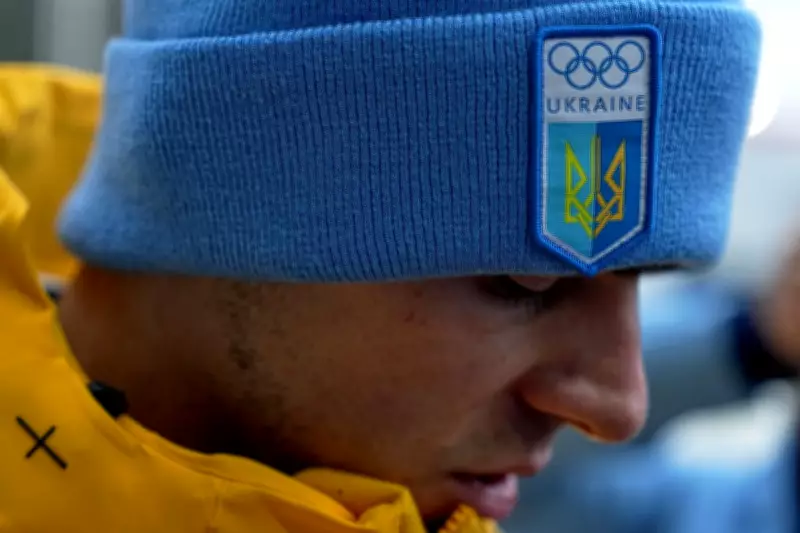
Ukrainian skeleton racer Vladislav Heraskevych, who was disqualified from the Milan Cortina Olympics, has received a generous gift of more than $200,000 to bolster his sporting career and advocacy efforts for his country. The donation was announced on Tuesday, 17 February 2026, following his controversial removal from the Games.
Disqualification Over Memorial Helmet
Heraskevych was barred from Olympic competition last week due to his insistence on wearing a "helmet of memory" adorned with images of over 20 Ukrainian athletes and coaches killed during the ongoing war with Russia. This act of remembrance sparked international attention and debate over the intersection of sports and politics.
Substantial Donation from Rinat Akhmetov
The financial support comes from Ukrainian businessman Rinat Akhmetov, owner of the Shakhtar Donetsk soccer club and the Azovstal steel works in Mariupol. Through his charity foundation, Akhmetov provided the sum, which is equivalent to the prize money awarded to Ukraine's Olympic gold medalists.

In a statement, Akhmetov praised Heraskevych, saying, "Vlad Heraskevych was denied the opportunity to compete for victory at the Olympic Games, yet he returns to Ukraine a true winner. The respect and pride he has earned among Ukrainians through his actions are the highest reward." He added, "At the same time, I want him to have enough energy and resources to continue his sporting career, as well as to fight for truth, freedom and the remembrance of those who gave their lives for Ukraine."
Funding for Future Endeavours
The $200,000 is designated to be paid to Heraskevych's charity foundation, ensuring that the 27-year-old athlete and his coaching staff have the necessary resources to persist in their sporting pursuits and advocacy on the global stage. A statement from Akhmetov's foundation highlighted this commitment to supporting both athletic and patriotic efforts.
This gesture underscores the broader context of resilience in Ukrainian sports, exemplified by Shakhtar Donetsk, which continues to compete in the Champions League despite being exiled from its home city and the $400 million Donbas Arena since 2014, when the Russian-backed conflict erupted in eastern Ukraine.
The donation not only aids Heraskevych's career but also serves as a symbol of solidarity and support for Ukrainian athletes amid ongoing geopolitical challenges.






