

Ukrainian Skeleton Athlete Disqualified for Defying Olympic Rules with War Tribute Helmet
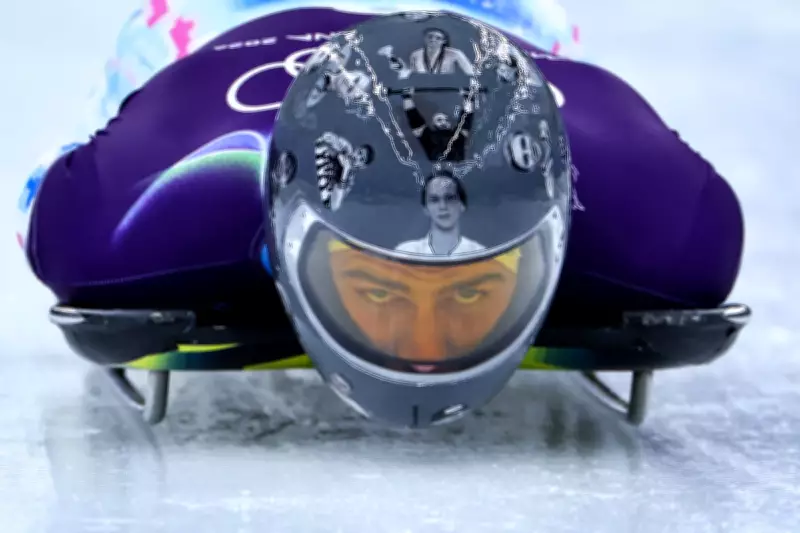
The International Olympic Committee (IOC) has disqualified Ukrainian skeleton athlete Vladyslav Heraskevych from competing in the Winter Olympics after he wore a helmet featuring images of compatriots killed during the war with Russia. The decision came during Thursday's skeleton heats in Livigno, where Heraskevych, 27, followed through on his vow to defy IOC warnings, prioritizing his tribute over his medal dreams.
Defiance in the Face of Olympic Regulations
Heraskevych's helmet, which displayed photographs of Ukrainian athletes who have died since Russia's invasion four years ago, violated rule 50.2 of the Olympic Charter. This rule explicitly prohibits any form of demonstration or political, religious, or racial propaganda within Olympic venues. The IOC had previously reiterated this regulation to Heraskevych and the Ukrainian delegation, emphasizing that such displays are not permitted.
In a statement, Heraskevych expressed his unwavering commitment to honoring the fallen, stating that he would rather sacrifice his Olympic medal aspirations than betray their memory. "I will not betray these athletes. These athletes sacrificed their lives, and because of this sacrifice, I am able to be here, so I will not betray them," he said. He added that in times of full-scale war, some values outweigh athletic achievements, deeming a medal "worthless in comparison to people's lives" and the memory of those lost.

Failed Compromise and Final Stand
Earlier in the week, the IOC proposed a compromise, allowing Heraskevych to wear a black armband instead of the helmet after warning him of the rule violation. However, Heraskevych signaled his intent to defy this offer, leading the IOC to plead with him to reconsider. On Wednesday, he firmly declared that it was the helmet or nothing, refusing to stand down despite the potential consequences.
The disqualification highlights the ongoing tension between personal expression and Olympic neutrality, particularly in contexts of global conflict. Heraskevych's actions have sparked discussions about the limits of political statements in international sports, with many viewing his stance as a poignant reminder of the human cost of war.
As the Winter Olympics continue, this incident underscores the challenges faced by athletes from conflict zones in balancing national pride with institutional rules. Heraskevych's sacrifice, though costing him a chance at competition, has brought significant attention to the plight of Ukrainian athletes and the broader impacts of the ongoing war.






