UK Sport to Increase Winter Paralympic Targets After Single Medal Finish
UK Sport Raises Winter Paralympic Targets Post-Single Medal

UK Sport to Elevate Winter Paralympic Targets After Milano Cortina Disappointment

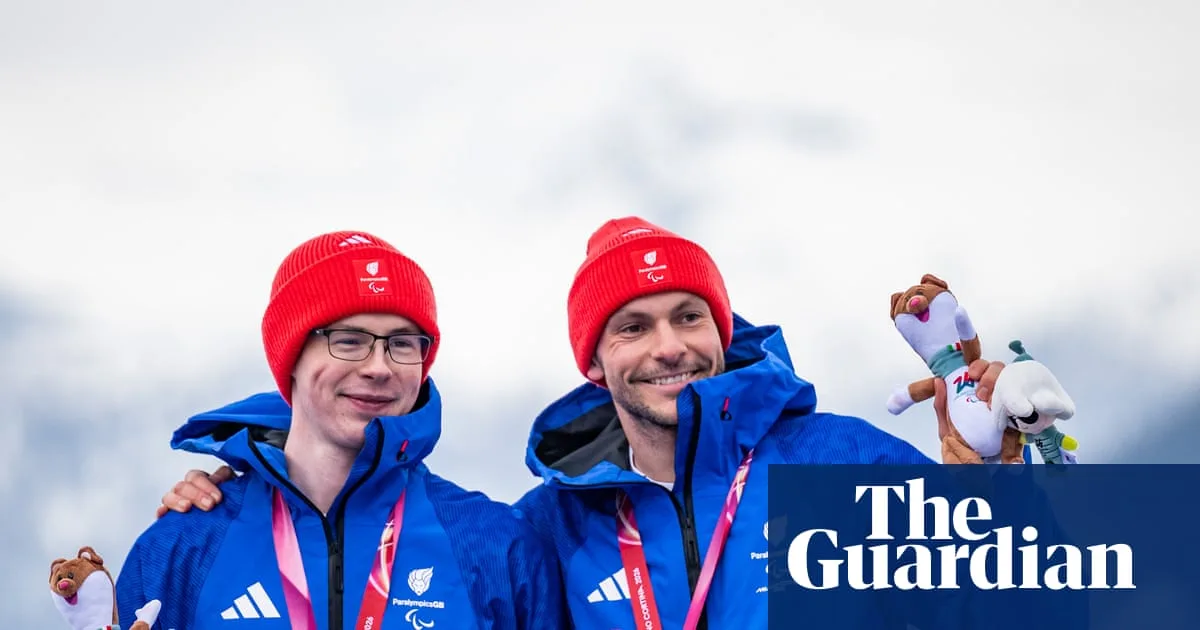
Great Britain's performance at the Milano Cortina Winter Paralympics has prompted a strategic reassessment, with UK Sport set to raise medal targets for the 2030 Games. The decision follows a challenging campaign where ParalympicsGB secured only a single silver medal, falling short of a reduced target of two to five medals.

Solitary Silver Highlights Performance Gaps

The lone podium finish came from Neil Simpson, who claimed silver in the men's visually impaired alpine combination skiing. However, hopes for additional success were dashed when Simpson did not complete either of his runs in the VI slalom on Sunday. This outcome underscores broader issues within the British winter Paralympic programme, which UK Sport is now scrutinising.

Dr Kate Baker, UK Sport's director of performance, expressed pride in the athletes' efforts but acknowledged the need for critical evaluation. "I don't think we could ever be disappointed in this group, but I think we're all committed to making sure that performance happens [at the 2030 Games]," she stated. "Performance is the thing that gives us the platform to do all of the other important stuff that we're doing out here."

Review Process and Future Challenges

UK Sport will conduct a comprehensive review, expected to conclude by summer, to refine strategies for future competitions. Baker confirmed that higher medal targets will be set for the 2030 Games in the French Alps, emphasising a commitment to efficiency and effectiveness in resource allocation.

Baker also raised concerns about Britain's competitiveness in certain winter sports, particularly Nordic events like cross-country skiing and biathlon. These disciplines constitute a third of the winter Paralympic programme, yet only one British athlete, Scott Meenagh, qualified, with his best finish being 14th across four events.

"For disciplines like slalom and curling, you can do those in the UK," Baker noted. "You can do it at a dry slope or you can do it at a low peak. I think we need to be realistic about our prospects across a wider range beyond that. Getting out on snow is a challenge. It's a challenge because of Schengen restrictions. It's a challenge because of climate change. But it's an absolute non-negotiable. [Without that] we're not going to be blessed with a wide base of people who are going to meet the classification and be physiologically the kind of specimen that would be required to be successful."

Optimism Amidst Adversity

Despite the tough results, Phil Smith, ParalympicsGB's chef de mission, remains optimistic about future prospects. "I still believe there's a lot of positives that we can take from this going forward," he said. "If you ran this week again, we could [have been] in the middle of that target with just a little bit more luck. I don't think we need to completely start fresh, but I do think there's some areas that the sport will need to look at. I think we would obviously want to say it after this week, but in 2030, there is an opportunity for us to continue to lay a marker down that we can be really competitive in Winter Paralympic sport."

The review will likely address logistical hurdles, such as access to snow training facilities and classification requirements, to build a more robust pipeline for British athletes. As UK Sport navigates these challenges, the focus remains on enhancing performance to meet elevated expectations in the coming years.