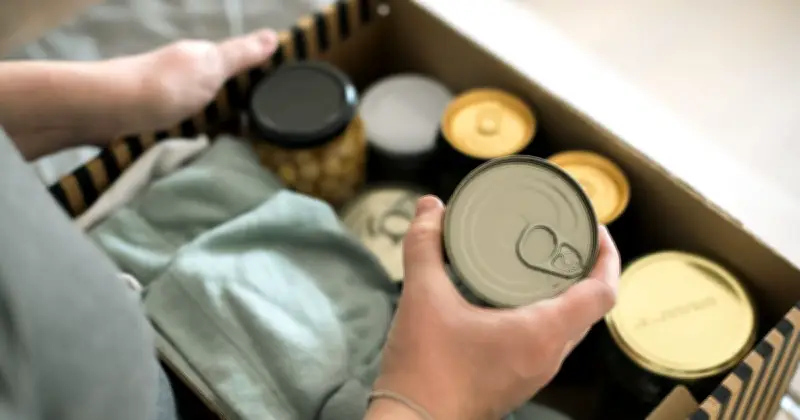
The Cabinet Office has issued fresh advice urging households across the UK to stockpile seven food items so they are prepared for an emergency. The guidance, released this week, says households should take “a few simple steps” now so they are well equipped if everyday services are temporarily disrupted.
Three-Day Supply Recommended
The advice is the first stage of a three-year campaign to help UK homes get better prepared for events such as severe weather, which can lead to power cuts, mobile phone and internet outages, and flooding. The campaign urges people to take small actions in advance, including keeping a supply of non-perishable food and bottled water at home.
The guidance says that households should have enough food and water to last for three days, with people urged to start building up these emergency supplies during their regular food shop. Non-perishable food and snacks, such as bread, cereal, crackers and tinned goods, are recommended as these usually have a long shelf life and don’t require cooking or refrigeration.
Water and Baby Formula
In addition, government guidance recommends stockpiling three days’ worth of bottled water. This should provide three litres of water per person, per day, for drinking, but more would be needed for things like cooking or washing. For families with babies, guidance says you should ensure you have some ready-made or ready-to-feed baby formula on hand, in case you’re not able to boil water to make powdered formula safely. This should be stockpiled along with nappies and wipes.
The seven key food items households are urged to stockpile for emergencies, according to the government, are: tinned meat, tinned fish, tinned vegetables, dried fruit, dried nuts, baby formula, and bottled water.
Gradual Preparation
Of course, an emergency kit doesn’t need to be restricted to these seven specific items, as non-perishable food extends to a wide array of options beyond this. Government guidance lists these as good options to start with, but it says households should opt to buy food that they would usually eat.
Advice issued by the Cabinet Office said: “Being ready for three days helps you manage while support reaches those most in need. Doing this is easier than you might think. You could have some of the items at home already.”
“You don’t need to do it all at once. Build up your readiness gradually over time by taking it step by step, and picking up an extra item or two when you can,” the advice added.
To get started, households are urged to check cupboards to see what essentials they already have at home and then make a note of what you still need. Missing items should then be built up gradually during regular shopping trips to help spread the cost. Supplies should be reviewed every six months to check expiry dates and to swap out items that need replacing, or to update your kit if your household’s needs have changed.
The government also recommends talking to your neighbours about what extra support you might be able to share during an outage, and swap contact details.
Dan Jarvis MP, Security Minister, said: “Those who can follow this advice should follow this advice. By taking simple steps to be ready for everyday emergencies like severe storms, people can reduce pressure on emergency services, helping them prioritise people who need more support in an emergency.”
“This is just the sort of community-focused campaign the UK needs to improve our resilience as a nation. It will bring us into line with European counterparts, where advice like this is a normal part of everyday life,” Jarvis added.