Households across the UK are being encouraged to keep a supply of cash at home as part of updated emergency planning advice, in case a national emergency such as a days-long power cut disrupts electronic payments and ATMs.
The Department of Health and Social Care has prepared scripts for broadcast over emergency 'Black Sky event' radio, a special broadcast the BBC would produce from a secret studio stocked with three days' worth of food, fuel and water, to share important public information if the internet is lost and power goes down.
Cabinet Office advice and campaign
The guidance follows Prime Minister Andy Burnham joining calls for the British public to be more prepared and resilient in case of future emergencies. Under updated advice published by the Cabinet Office, households are encouraged to 'take a few simple steps to stay prepared' if everyday services are temporarily disrupted.
The advice marks the first stage of a three-year campaign to help households across the UK feel better prepared for events such as severe weather, which can occasionally affect services including power, water, phones and the internet.
What households should stock
The Cabinet Office said: "With storms last winter and the wildfires this summer showing how severe weather events can cause disruption to our everyday lives and impact the services we rely on, from phone signal to water and the internet, launching the campaign brings the UK into line with European peers who all run similar campaigns already."
The government's UK Be Ready website, linked to the information, lists advice for all households and aims to ensure everyone has some safety net in case of unforeseen national emergencies. The site says: "Being ready for 3 days helps you manage while support reaches those most in need."
It adds: "Doing this is easier than you might think. You could have some of the items at home already. You don't need to do it all at once. Build up your readiness gradually over time by taking it step by step, and picking up an extra item or two when you can."
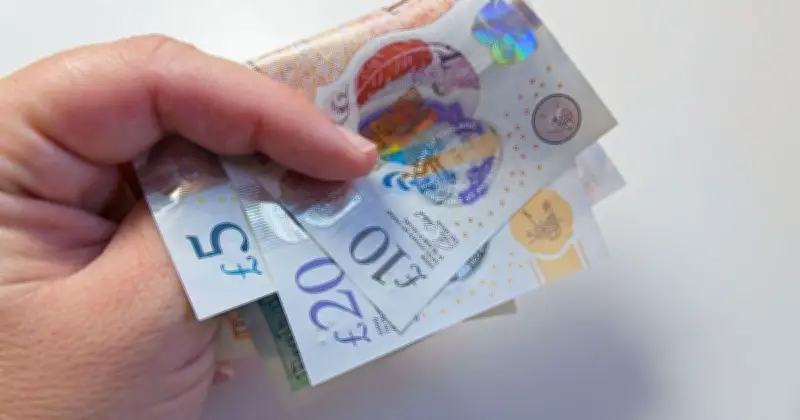
On stockpiling money, the site advises: "Cash (mix of coins and notes) and cards, in case electronic payments or ATMs are disrupted. The amount of cash you should keep depends on your family's specific needs for essentials." It also recommends keeping printed copies of important documents such as passports, birth certificates, insurance policy details and instructions for any medical equipment relied on, along with written contact details of who to contact in an emergency, including anyone who might need checking on, and a list of any regular medication and doses.