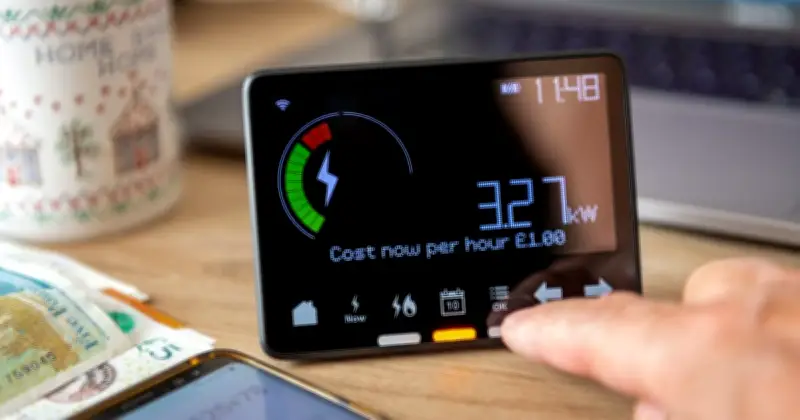
UK households are being handed up to £258 worth of energy bill support this winter in three changes announced in Wednesday's Budget. Chancellor John Healey has unveiled a series of new measures which aim to ease high costs and give households "breathing space" on their energy bills.
Millions of homes across the country have seen energy bills rise from October as a 4% hike to Ofgem's energy price cap took effect, and forecasters are warning costs could soar even higher by January, rising by more than £300.
What the three measures include
The rising costs have been driven by the ongoing conflict in the Middle East which has sent wholesale prices soaring, but the plans announced today aim to provide households some relief.
To address rising energy bills, Mr Healey is introducing a new £100 winter energy bills payment for households in certain tax bands, standing charges on gas bills will be scrapped for around 23 million homes, and an extension of the previously announced VAT cut on electricity bills until July 2027.
Together, the three measures could hand households up to £258 worth of energy bill support this winter. Here's how they will work and who will qualify.
Winter payment - £100
Around 20 million households in council tax bands A to D will get £100 from the government this winter to help with energy bills. The payment will be issued directly into bank accounts, with the support costing £2.6 billion.
Mr Healey said money would be given to devolved administrations and called on them to "do the same and give people of all nations in the UK breathing space on their energy bills this winter".
Speaking during his Budget speech, the Chancellor said: "Let me say this to families at home. I know that with the conflict in the Middle East, rising energy bills are a real worry. I know that people look to Government at times like this, not to solve all their problems, but to give them a bit of breathing space."
Gas standing charges and VAT cut
Standing charges from household gas bills will be removed for around 23 million homes, saving the typical home £108 per year on average. A standing charge is a fixed daily fee added on top of a household gas bill, regardless of how much gas has been used. A household could use no gas at all but still must pay the standing charge. Chancellor John Healey said he will ask Ofgem to deliver the removal of these charges in 2027, or as soon as possible after.
A previously announced VAT cut on household electricity bills will be extended to July, taking £50 off the annual price cap. Mr Healey told the Commons: "In the first week of this new Government, we took VAT off electricity for 29 million households, today I'm extending that VAT cut through the winter and spring to July, taking £50 off the annual price cap."
For business, the new British industrial competitiveness scheme will take 25% off electricity bills for 10,000 firms at the heart of British industry, going live in April, with backdated payments for energy costs this year also confirmed.