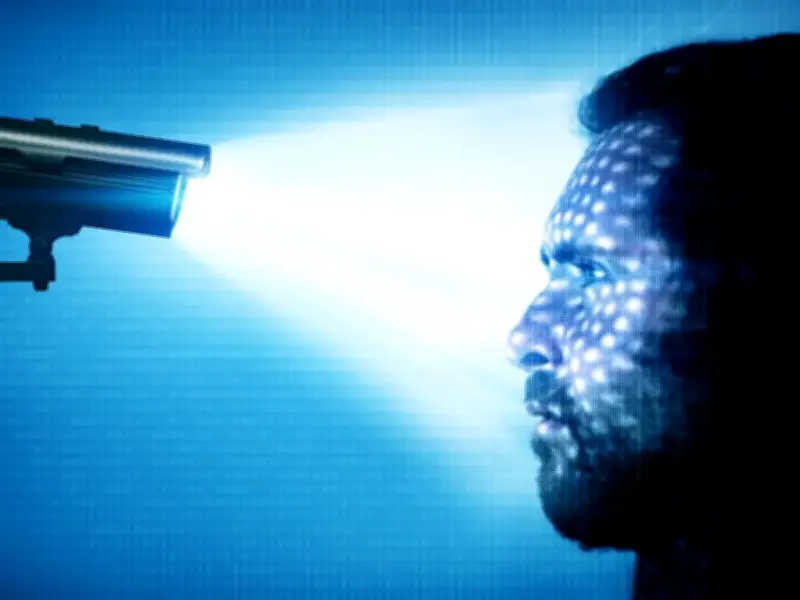
The government has moved a step closer to rolling out live facial recognition (LFR) cameras at transport hubs and ports, with Home Secretary Shabana Mahmood wanting them used to measure faces against a pre-approved watchlist as immigration officials hunt down overstayers.
The Home Office says the cameras will also be used to find undocumented migrants, so it can resolve their cases and avoid "disruption to the wider public compared to repeated enforcement visits at residential addresses or workplace".
How the System Would Work
The simple, ordinary act of walking down the street would become an identity check, without the person being aware. The technology can tell an individual's age, address, date of birth and any other data it wants to collect as they stand on a railway station platform.
Concerns have been raised about what prevents individuals who are not suspected of any crime from being checked arbitrarily against police watchlists, and what is to stop any individual misusing the system to track the movements of single women or children. There are also questions about personal data potentially being sold to the highest bidder.
Bias Concerns in the Technology
The technology has been shown to be more likely to incorrectly identify Black and Asian people as suspects than their white counterparts. Tests on the Police National Database's retrospective facial recognition technology found "the false positive identification rate (FPIR) for White subjects (0.04%) is lower than that for Asian subjects (4.0%) and Black subjects (5.5%)".
The report also noted that "the FPIR for Black male subjects (0.4%) is lower than that for Black female subjects (9.9%)". Last year, the Home Office was forced to admit the technology was "more likely to incorrectly include some demographic groups in its search results", after testing by the National Physical Laboratory of the way it was used within the Police National Database.
Watchdog Criticism
Watchdogs Big Brother Watch said it is "totally inadequate for the Home Office to respond with promises of codes of practice that offer little legal accountability if breached".
Its Senior Advocacy Officer, Jasleen Chaggar, added: "The Home Office claims facial recognition is as powerful as fingerprinting and DNA, yet proposes far weaker legal protections for our biometric data, which is captured constantly as we move about."
The body concluded: "We cannot accept the government's glacial pace as more innocent people are falsely accused of crimes they did not commit and our freedom to live without constantly identifying ourselves to the state is already being eroded."