Within just a few weeks, the Trump administration has proposed multiple contradictory policies related to overdose prevention – some that could help save lives and others that experts say could further strain health resources and put people at risk for overdose.
These policies include a new prohibition on funding for fentanyl test strips, which help people avoid overdoses; proposed budget cuts that would gut the country’s overdose prevention efforts; and an ambitious drug control strategy that will be impossible to implement if the aforementioned cuts go through.
An April letter from the Substance Abuse and Mental Health Services Administration (Samhsa) indicated the agency would no longer fund test strips for fentanyl and other dangerous adulterants that are “intended for use by people using drugs”. Dr Nabarun Dasgupta, director of the University of North Carolina’s Opioid Data Lab, said defunding test strips “is a win for the cartels”, noting that it will take away people’s ability to identify impure products and flag it to their dealers.
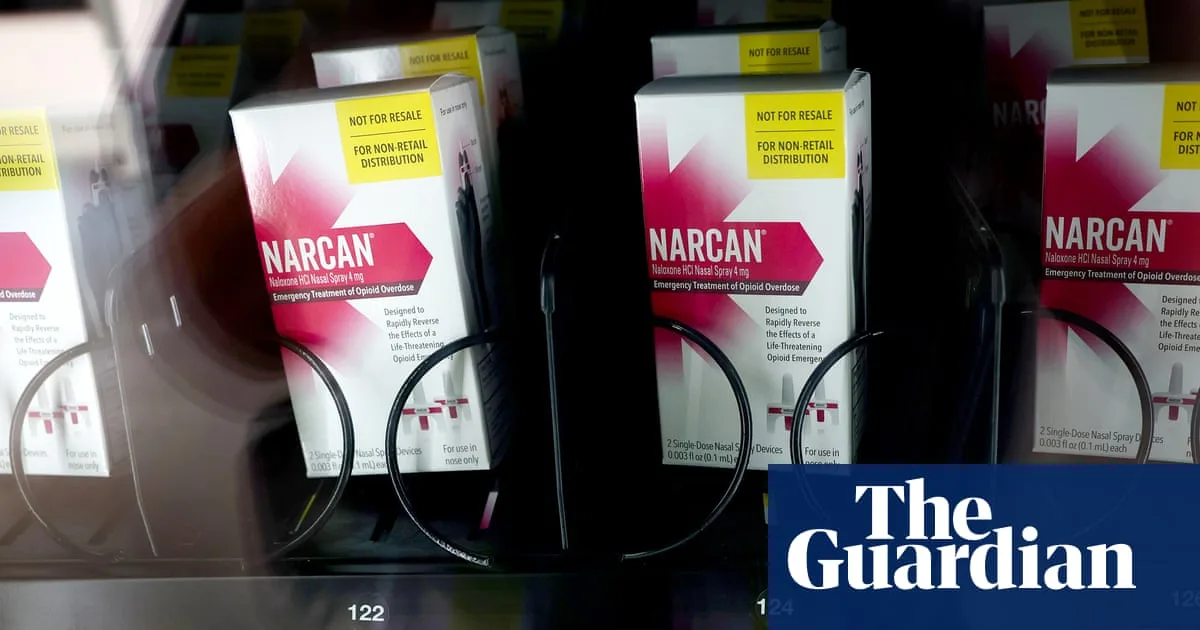
This is the latest in a series of Trump administration attacks on harm reduction – a public health strategy first pioneered by Aids activists that helps people reduce the inherent risks that come with sex and drug use. Over the past few years, public health departments across the country have helped people prevent overdoses by ramping up harm reduction interventions such as test strips, which allow people to test their drug supply and avoid overdosing; nasal naloxone, an easy-to-administer nose spray that can reverse opioid overdoses; and public health messaging to “never use alone”, which helps ensure someone is there to administer naloxone in case of an overdose.
The Trump administration appears to be stripping away these interventions one by one. In January, the Centers for Disease Control and Prevention (CDC) moved to block “never use alone” messaging while simultaneously ensuring that it would still consider supporting fentanyl test strips. Now Samhsa is stripping funding for fentanyl test strips, which can help people avoid overdosing altogether, while emphasizing that it will continue to support naloxone access. Dasgupta said it was ironic that the administration is agreeing to fund medication that can reverse an overdose, but not test strips that can prevent the overdose from happening in the first place.
The picture gets even more confusing in the context of the Trump administration’s other recent policy announcements. In April, it proposed budget cuts that, if enacted, would strip away $10bn in funding for addiction and overdose prevention and research, according to the Drug Policy Alliance. The following month, the White House announced an ambitious National Drug Control Strategy. Maritza Perez Medina, director of federal affairs for the Drug Policy Alliance, said she agrees with many aspects of the strategy, which expands access to naloxone and treatment, but questioned: “If you support these things, then why are you defunding them?”