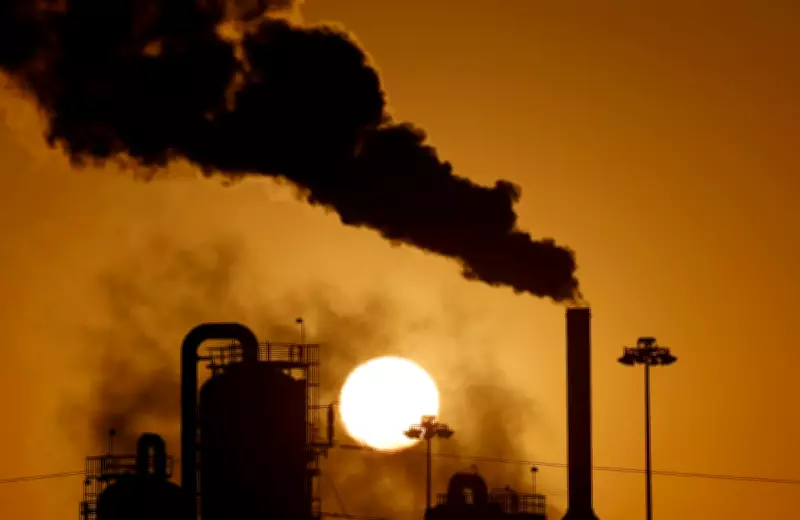
Recent research has found that ethylene oxide (EtO) is about 60 times more carcinogenic than previously thought when the last regulations were developed in 2006. A new Trump administration plan to rescind 2024 regulations for toxic EtO pollution aims to limit the Environmental Protection Agency's authority to strengthen public health protections around hazardous emissions, potentially resulting in more of the toxin being released into the air.
The 2024 Biden EPA Rule
In 2024, the Biden EPA passed a rule that strengthened regulations to reflect updated science, requiring the nation's EtO emitters to collectively cut emissions by about 90%. A new Harvard analysis details the administration's case, which would limit the EPA's ability to strengthen regulations when it determines hazardous air pollutants are more dangerous than previously thought.
Potential Consequences
If the Trump EPA succeeds in the legal fight, the 2024 regulations would be rescinded, resulting in nearly 8 tons of the carcinogenic gas continuing to be released, largely in low-income neighborhoods. It would also permanently make it more difficult for the EPA to later protect people from toxic air pollutants.

Industry and Administration Strategy
Erik Olson, senior adviser with the Natural Resources Defense Council (NRDC) action fund, described the move as part of a broader strategy to roll back controls on toxic chemicals and carcinogens. "This sends up a signal flare to everyone that we've got a real threat, and that the administration plans to gut cancer protections," Olson said.
Chemical Regulation Structure
Public health advocates emphasize the importance of this outcome due to how chemical regulations are structured. Chemicals are generally approved with little review of industry claims, and independent science can take decades to reveal true risks, as happened with EtO.
Ethylene Oxide Uses and Risks
EtO is a flammable, colorless gas used to sterilize about 20 billion medical devices annually, including pacemakers and syringes, as well as some foods. When inhaled, it is a potent carcinogen linked to leukemia and other health issues. Rescinding the new rule would leave about 2.3 million people exposed to the toxic gas.
Impact of the 2024 Rule
The 2024 Biden EPA rule would have reduced emissions at 89 facilities by requiring continuous monitoring and controlling fugitive emissions—air pollution that escapes from piping or unintended areas within factories. The Trump administration's proposed rescission would save companies $47 million annually, but the societal burden of increased cancer risks remains unclear.
Legal and Regulatory Context
The Clean Air Act requires the EPA to conduct a "residual risk review" of toxic chemicals within eight years after designation as hazardous pollutants. The EPA first set emission standards for EtO in 1994 and completed its residual review in 2006. Giancarlo Vargas, co-author of the Harvard paper and attorney with the Harvard Environmental and Energy Law Program, noted that the latest research shows the chemical is 60 times more carcinogenic than levels used in 2006, prompting the Biden EPA to conduct a "discretionary" review to strengthen limits.
However, the Clean Air Act does not explicitly address whether additional discretionary reviews are allowed beyond the initial health impact assessment. The Biden EPA interpreted the law as permitting such reviews, but the Trump administration argues that silence means they lack authority. Vargas described this as a "big change" that would "rein in the EPA's ability to consider public health risks when updating hazardous air pollutant standards."
Broader Pattern of Authority Limitation
Erika Kranz, a supervisor at the Harvard Environmental and Energy Law Program, said the administration's action is part of a broader pattern of authority-limiting interpretations by the EPA, including the recent controversial endangerment finding. The stakes are high because "this is locked in in the future – the EPA can't take a new interpretation of that statute," Kranz added.

NRDC Lawsuit
The NRDC is suing to stop the Trump administration from exempting EtO and other chemicals from hazardous air pollutant regulations. The president is using a never-before-used provision allowing exemptions for national security or if technology is "not available." This move exempted about half of all commercial medical sterilizers from EtO standards, but the administration has not provided supporting evidence, the NRDC alleges. "President Trump's exemptions of chemical plants from regulations of hazardous air pollutants not only sacrifices the health of communities, but they are also illegal and undemocratic," said Jen Sass, NRDC's attorney.