Trump Administration Freezes New Medicare Hospice and Home Health Enrollments
Trump Freezes Medicare Hospice and Home Health Enrollments

The Trump administration announced on Wednesday that it is expanding its sweeping fraud-busting initiative in federal health programs by implementing a nationwide six-month freeze on new Medicare enrollments for hospice and home health agencies.

Moratorium Details

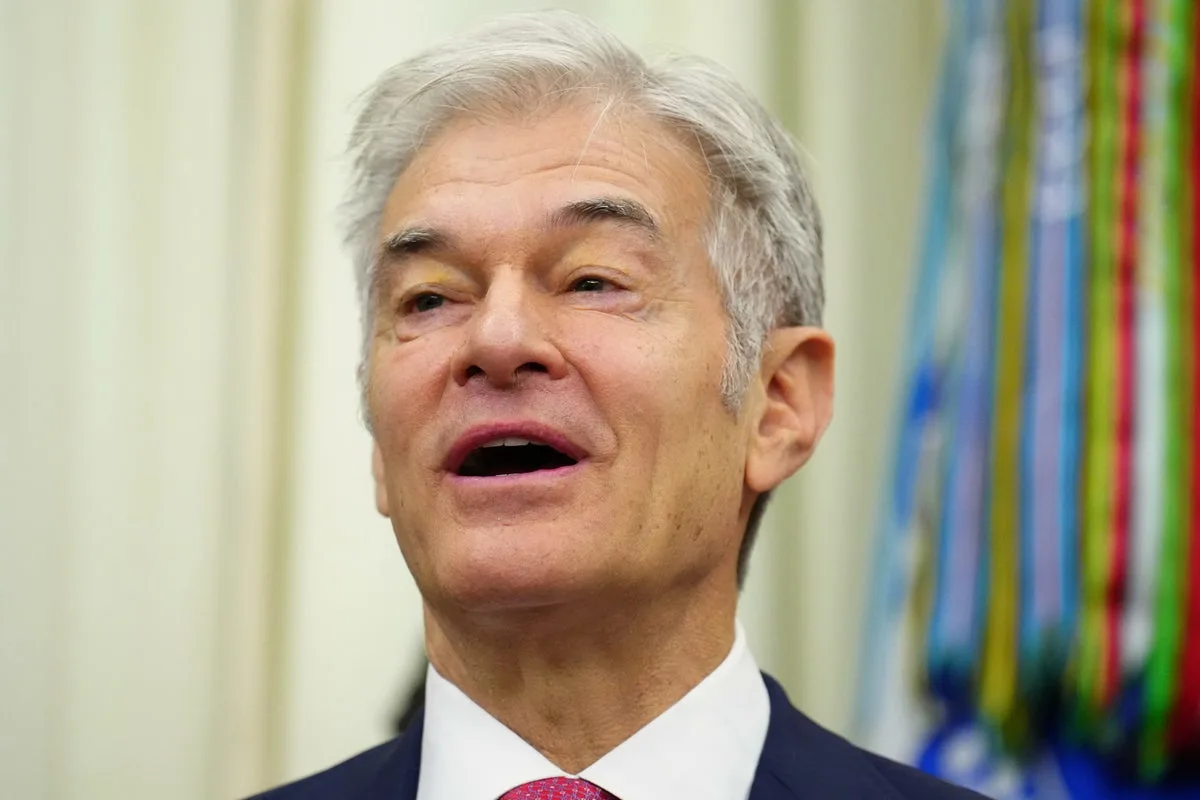
The Centers for Medicare and Medicaid Services (CMS) issued a news release stating that the moratorium will temporarily halt all new providers in these categories from signing up for reimbursement from Medicare, the federal insurance program for older adults across the United States. CMS Administrator Dr. Mehmet Oz said in a statement, "We’ve seen systemic and deeply troubling fraud in the hospice and home health space, with bad actors exploiting some of our most vulnerable Medicare patients and stealing money from the American taxpayer. Today we’re shutting the door on fraud—preventing new bad actors from entering Medicare while we aggressively identify, investigate, and remove those already exploiting them."

Related Efforts

This action is connected to Vice President JD Vance's anti-fraud task force, established by Republican President Donald Trump to crack down on potential misuse of public funds. It comes amid rising concerns across the United States about increasing health costs and barriers to access, sometimes resulting from the federal government's own policies. For instance, new work requirements in Medicaid are expected to strain hospitals nationwide and cause millions of enrollees to lose their health coverage.

Wide Pickt banner — collaborative shopping lists app for Telegram, phone mockup with grocery list

Concerns and Pushback

Several alleged fraud schemes have been prosecuted in the hospice and home health care categories, and states acknowledge this is a legitimate concern. However, some have pushed back against the administration's aggressive tactics, worrying that broad efforts could unfairly punish law-abiding providers striving to serve patients. The administration maintains that this freeze and other actions will help prevent potential fraud in Medicaid and Medicare, preserving funding and resources for those most in need.

Under the six-month pause, existing hospice and home health care providers will continue normal operations. However, CMS stated it will "intensify targeted investigations, deploy advanced data analytics, and accelerate the removal" of providers suspected of fraudulent activity.

Historical Precedent

Tricia Neumann, a senior vice president and executive director for the program on Medicare policy at the health care research nonprofit KFF, noted that such a freeze is not unprecedented. She recalled that President Bill Clinton's Democratic administration also imposed a temporary moratorium on home health agencies. "A brief moratorium gives the administration time to crack down on true fraud and prevent new fraudulent entities from popping up," she said.

Recent Actions

In recent months, CMS has suspended payments to hundreds of hospice and home care agencies in Los Angeles over alleged fraud and issued another six-month moratorium on suppliers of durable medical equipment, prosthetics, orthotics, and certain other supplies in Medicare. The administration has also approached at least five states with investigations into potential health care fraud and halted some $243 million in Medicaid payments to Minnesota over fraud concerns. Last month, Oz announced CMS would require all 50 states to share plans for revalidating some of their Medicaid providers.

Criticism and Errors

In at least one instance, the administration made a mistake in its accusations against states. In April, CMS acknowledged to The Associated Press that it made a significant error in figures used to justify a fraud probe in New York. This admission deepened doubts about the administration's methods and raised a common criticism of the second Trump administration: that it tends to attack first and confirm facts later.

Pickt after-article banner — collaborative shopping lists app with family illustration