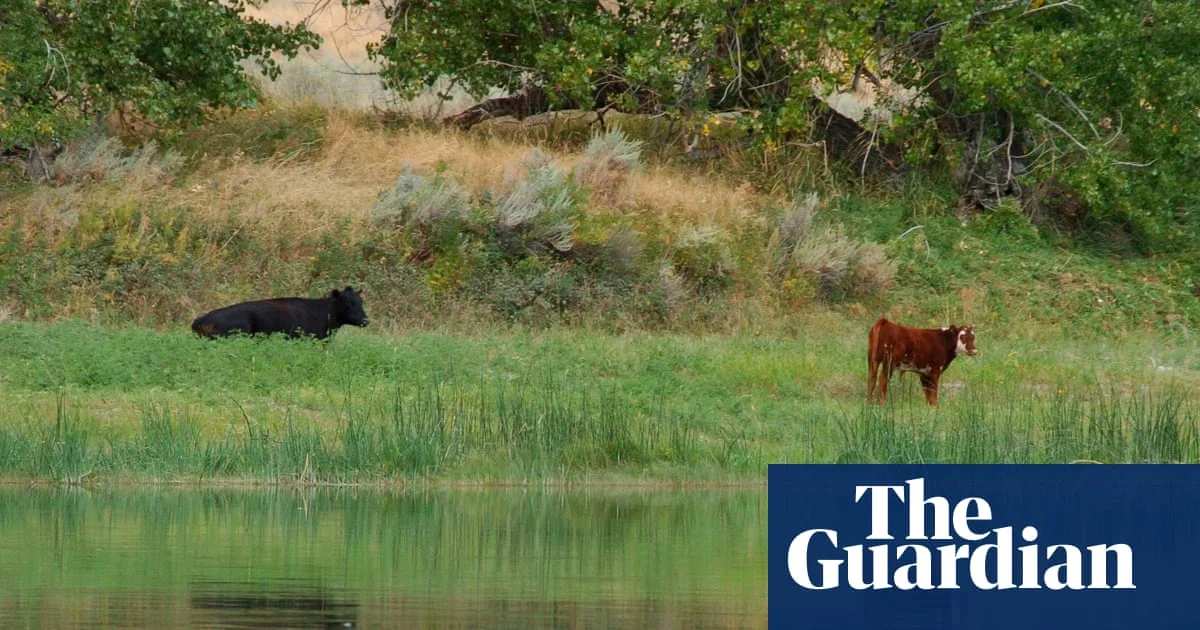
The US Interior Department has cancelled a rule that placed conservation on an equal footing with development on public lands, as the Trump administration seeks to boost drilling, logging, mining and grazing. The 2024 rule, adopted under Joe Biden, allowed the Bureau of Land Management (BLM) to lease public property for restoration in the same way oil companies lease land for drilling.
Interior Secretary Doug Burgum argued the rule could have blocked access to hundreds of thousands of acres, preventing energy and timber production and harming ranchers. Supporters of the rule, however, said conservation had long been a secondary consideration at the BLM, neglecting its mission under the 1976 Federal Lands Policy Management Act.
Bobby McEnaney of the Natural Resources Defense Council said repealing the rule means less protection for clean drinking water and endangered wildlife, and less accountability when corporations damage landscapes. Industry groups and Republican allies opposed the rule, arguing it violated the 'multiple use' mandate by prioritising 'non-use' of federal lands.
The repeal takes effect 30 days after publication in the Federal Register, scheduled for Tuesday. The move follows recent congressional cancellations of land management plans that restricted development in Alaska, Montana and North Dakota.