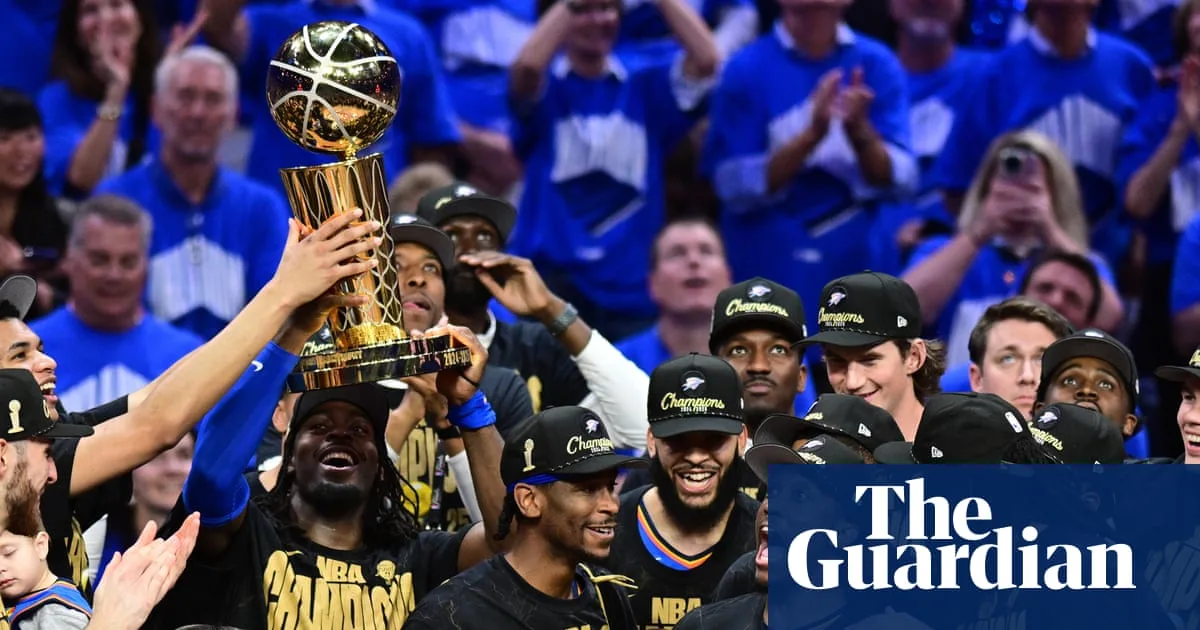
Oklahoma City Thunder Forgo White House Visit Amid Scheduling Issues
The reigning NBA champion Oklahoma City Thunder will not be visiting the White House during their road trip to Washington, D.C. this weekend, as confirmed by a team spokesperson on Friday. This decision marks a departure from the long-standing tradition where championship teams celebrate their victories at the presidential residence.
Timing Prevents Celebration of 2025 Champions
According to a statement released by the Thunder, discussions were held with the White House regarding a celebration for the 2025 champions. However, timing constraints ultimately prevented the event from taking place. "We have been in touch with the White House, and we are appreciative and grateful for the communication we have had, but the timing just didn’t work out," the team explained. The Thunder are scheduled to play against the Washington Wizards on Saturday, which typically aligns with such visits, but logistical hurdles proved insurmountable.
Historical Context and Recent Trends
Visiting the White House has been a cherished tradition for NBA champions since the Boston Celtics' trip in 1963. Teams usually arrange these celebrations when regular-season games bring them to the nation's capital. However, in recent years, several teams have opted out of such invitations. Notably, the Golden State Warriors declined in 2017, highlighting a growing trend of sports teams reassessing these ceremonial visits.
This development comes amid other high-profile sports interactions with the White House. Last month, the gold-medal-winning U.S. men's hockey team attended the State of the Union address following an invitation from President Donald Trump. They also participated in an Oval Office event and had lunch at the White House. In contrast, the gold-medal-winning U.S. women's hockey team chose not to attend the State of the Union, citing "the timing and previously scheduled academic and professional commitments."
The Thunder's decision underscores the evolving dynamics between sports and politics, where scheduling conflicts and other considerations increasingly influence traditional practices. As the team focuses on their upcoming game, this absence from the White House reflects broader shifts in how championship celebrations are navigated in the modern era.