

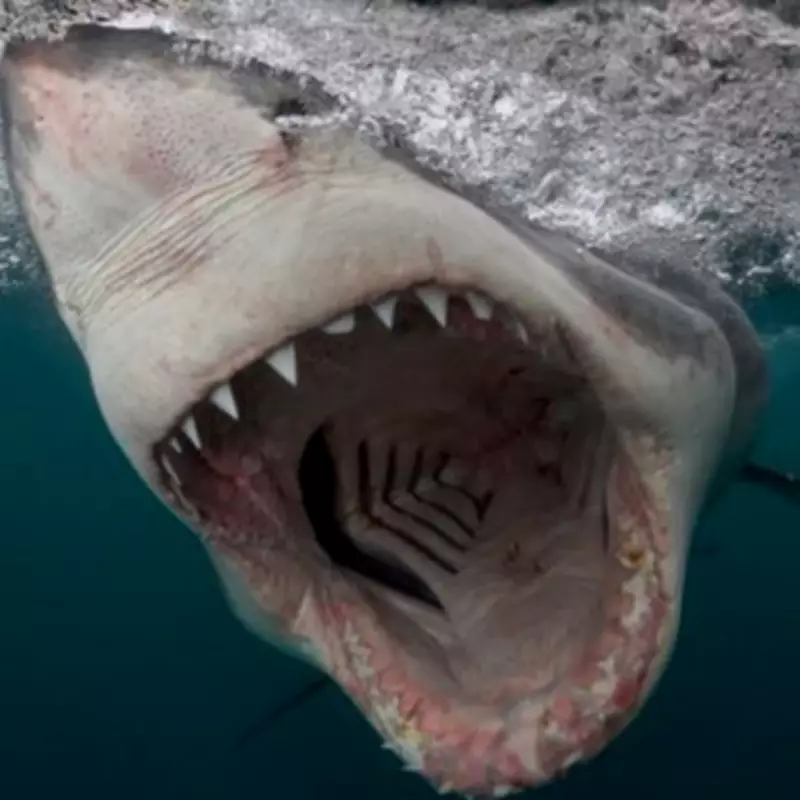
In a horrifying incident that has shocked the Australian surfing community, a young surfer was attacked and killed by two massive great white sharks in what witnesses described as a "feeding frenzy" off the coast of Gracetown, Western Australia. The brutal event unfolded in front of the victim's friends, who were powerless to intervene as the tragedy escalated.
Graphic Details of the Attack
Brad Smith, a 29-year-old surfer, was riding waves off Left Handers Beach, approximately 150 miles south of Perth, when he was ambushed by a monstrous great white shark. The initial strike was so forceful that it bit his surfboard in half, sending Smith tumbling into the bloodied waters. Friends onshore watched in horror as he fought desperately for his life, thrashing and attempting to fend off the predator by punching it in the nose.
A Second Shark Joins the Frenzy
The situation worsened when a second shark appeared, turning the attack into a coordinated assault. After about 45 seconds of intense struggle, Smith was dragged beneath the surface as the ocean turned a deep crimson red. His lifeless body later floated to the surface, gruesomely severed in half. Despite the clear danger, his friends bravely entered the shark-infested waters to recover his remains, warning other surfers to stay away from the area.

Eyewitness Accounts of the Tragedy
Cameron Rowe, a 17-year-old witness, recounted the terrifying scene. "There was nothing we could do to help him," he said. "At first I saw one shark and thought it was one of the usual reef sharks, but these things were massive. Its fin was almost a yard high, and when it emerged with Brad still fighting, its body was about the width of a car with jaws as wide as a man's arm. It ended in a terrible feeding frenzy—it was awful."
Expert Analysis and Response
Marine experts believe the attackers were great white sharks, known for their size, speed, and aggression. Although shark attacks remain rare globally, with only about a dozen reported annually involving great whites, Australia sees an estimated four fatal incidents per year. In response to Smith's death, authorities launched a coordinated effort involving marksmen on boats and police helicopters to locate and cull the sharks responsible.
Tony Cappelluti, an officer from the fisheries authority, stated, "If we find them, we have the authority to kill them. Great whites are a protected species, unless one kills a human. If they've tasted human blood, then they'll remain a problem until we've tracked them down."
Community Mourning and Contrasting Views
Smith was remembered as a beloved figure in the local surf scene. His close friend Rod Draper said, "He absolutely loved life. There isn't a person who could say a bad word about him." Despite calls from some surfers for the sharks to be killed, Smith's family reportedly urged authorities not to harm the animals, expressing that they did not blame the sharks for the incident. This stance highlights the complex relationship between humans and marine predators in coastal regions where water sports are increasingly popular.
The tragedy underscores the inherent risks of ocean activities in shark habitats, even as such events remain statistically uncommon. It has sparked renewed discussions about shark conservation, public safety measures, and the emotional toll on communities affected by such rare but devastating attacks.






