

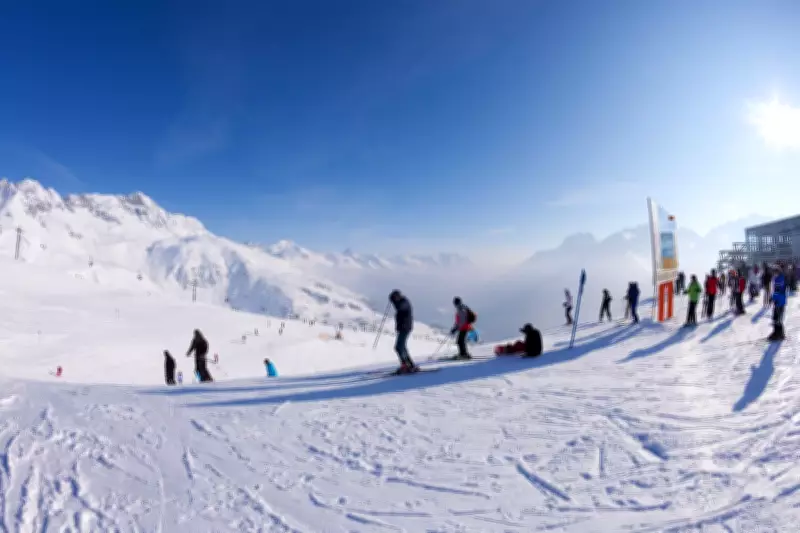
In a spirited rebuttal to recent criticisms, avid skiers have passionately defended their beloved winter sport, arguing that it transcends mere luxury and elitism to offer profound personal rewards. The debate was ignited by an article questioning the financial sense of skiing, but correspondents highlight its evolving accessibility and emotional benefits.
Accessibility and Affordability in Modern Skiing
David Morgale, who skied until the age of 80, strongly disagrees with the notion that skiing is exclusively for the wealthy. He points out that while historically it may have been a sport for the rich, today it is enjoyed by people across various economic levels. Morgale emphasises that renting equipment such as boots, skis, helmets, and cold-weather clothing is entirely feasible, making the activity more affordable. Additionally, holiday packages and lessons are widely available, further democratising access to the slopes.
The Sense of Accomplishment and Mental Escape
Morgale describes being hooked after his first lesson at 45, despite learning alongside six-year-olds. He explains that skiing provides a unique sense of accomplishment by challenging one's skills against gravity and the mountain. The concentration required offers a mental escape, allowing skiers to forget their problems and destress. He fondly recalls moments of tranquillity, standing atop a mountain with only the sounds of birds and wind, overlooking hundreds of snow-covered peaks.

While acknowledging that skiing can sometimes appear elitist, with noisy bars, Morgale counters that he has enjoyed wonderful meals halfway up mountains with diverse groups, many of whom did not attend public schools. His skiing career ended at 80 due to a knee injury from his only accident in 35 years, but he still walks fine, underscoring the sport's manageability.
Contrasting Ski Cultures: Luxury Versus Passion
Eric J Ascalon from New Jersey offers a vivid contrast to the glossy resort image, describing an alternative ski culture rooted in passion rather than luxury. He notes that many skiers are not hedge-fund managers but teachers, mechanics, healthcare workers, and others who sleep in vehicles to afford time on the snow. For them, skiing is a stubborn pursuit of gravity, weather, and wild terrain, where the mountain judges only one's ability to stay upright.
Ascalon argues that skiing is often cold, inconvenient, and terrifying, representing a rejection of comfort that fuels obsession. This perspective challenges the idea of skiing as a mere lifestyle accessory, framing it instead as a deeply personal and sometimes irrational commitment.
Philosophical Reflections on Skiing
John Carter from Wimbledon adds a philosophical note, comparing critics of skiing to those who cannot hear the music in dancing. This aphorism suggests that non-skiers may fail to appreciate the intrinsic joy and fulfilment that the sport provides, much like missing the essence of an art form.
Together, these letters paint a multifaceted picture of skiing as a sport that offers mental health benefits, a sense of achievement, and accessibility beyond economic barriers. They invite readers to reconsider skiing not as a wasteful expense but as a valuable pursuit for personal growth and connection with nature.






