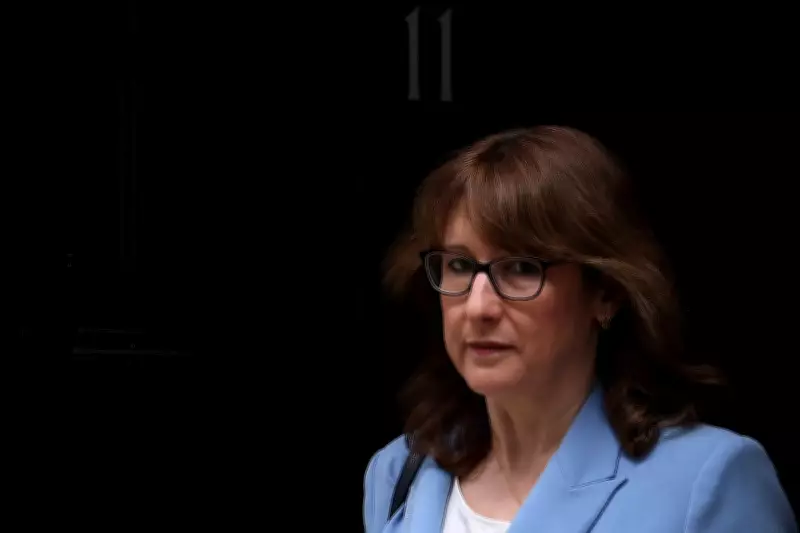
Prime Minister Keir Starmer refuses to confirm whether Rachel Reeves will remain as chancellor, but her departure could come with a hefty price tag for the entire country. While Westminster obsesses over political survival, bond markets focus on credibility. If Labour loses the chancellor without a credible replacement, taxpayers will end up counting the cost, warns James Moore.
There are many reasons to criticise this government, but fiscal recklessness is not one of them. Those drooling at the prospect of the end of both Reeves and Starmer should be careful what they wish for. It could end up costing Britain billions.
Fiscal Responsibility Underpins Market Confidence
One thing the chancellor should not be criticised for is her commitment to fiscal responsibility. Labour chancellors often face an uphill struggle to secure the confidence of lenders, but Reeves has put in the hard yards. UK bond yields ticked up as traders returned after the weekend, but markets remained largely calm because the attacks on Starmer have not delivered a death blow. If that changes and Reeves' position comes under real threat, things could quickly become sticky.

The UK already has among the highest borrowing costs in the G7, largely due to inflation. Inflation erodes currency value, so lenders charge a premium to protect themselves. But politics also matters, and the price of a future chancellor trying to take on the City could be extremely heavy.
The Numbers Behind the Risk
Some £140bn of debt matures in 2026-27 and needs refinancing through new IOUs issued by the Debt Management Office. If the average interest rate on that new paper is four per cent, the annual interest bill is £5.6bn – money unavailable for schools, hospitals or defence. Push that rate to five per cent, and the bill becomes £7bn. Over the remaining three years of this Parliament, that is an extra £4.2bn gone.
A further £160bn comes up for renewal in 2027-28, with another £150bn due in each of the following two years, before any additional borrowing is factored in. When it comes to national debt, the numbers get very big very quickly.
Bond Markets' View of Britain Matters
Before economists fire shots, this is a crude calculation. Debt has varying maturities, and different bonds carry different rates influenced by various factors. But the bond markets' view of Britain counts for a great deal. AJ Bell investment director Russ Mould notes that bond investors have already been worried by higher inflation linked to the Middle East conflict, and now they are starting to squirm at the idea of a different prime minister and chancellor driving increased borrowing and spending.
A stark example of how trying to take on the bond markets can go wrong is Liz Truss. When she became prime minister on September 6, 2022, the 30-year gilt yield stood at 3.378 per cent. After the infamous mini-budget with £45bn of unfunded tax cuts, the yield surged to 4.986 per cent within four days, forcing the Bank of England to intervene.
Reeves' Approach vs. Potential Replacements
Upon entering Number 11, Reeves adopted a different debt metric and made clear she would borrow to invest, but not for day-to-day spending. That was the right call, and she stuck to it. The concern in the City is that any replacement from Labour's left flank would take a much looser approach. Andy Burnham, Labour's self-styled king across the Pennines, once declared Britain should not be “in hock” to the bond markets – one of the most economically illiterate remarks from a senior politician.
Burnham's rhetoric does little to calm market nerves and explains the queasiness whenever Starmer and Reeves appear on the way out. Think of the bond markets as Britain's bank manager. Marching into Barclays and declaring independence from their rates would invite a swift response: “Good luck finding another lender, sir.”

Higher Gilt Yields Hit Everyone
Higher gilt yields do not just hit the Treasury; they also feed into the cost of fixed-rate mortgages, as the Truss mini-budget demonstrated. Former Bank of England governor Mark Carney once observed that Britain depends on “the kindness of strangers” – people willing to lend it money. If investors lose confidence in the person steering the ship, the consequences are straightforward: credit downgrades, higher borrowing costs, and less money for public services.
Reeves' departure would come at a price unless her successor demonstrates the same commitment to fiscal discipline. That price could run into the billions. Those cheering her downfall should be careful what they wish for. In politics, removing a chancellor is easy; rebuilding market confidence is not.