

Philadelphia to Provide Free Train Travel for World Cup Fans Following New Jersey Fare Dispute
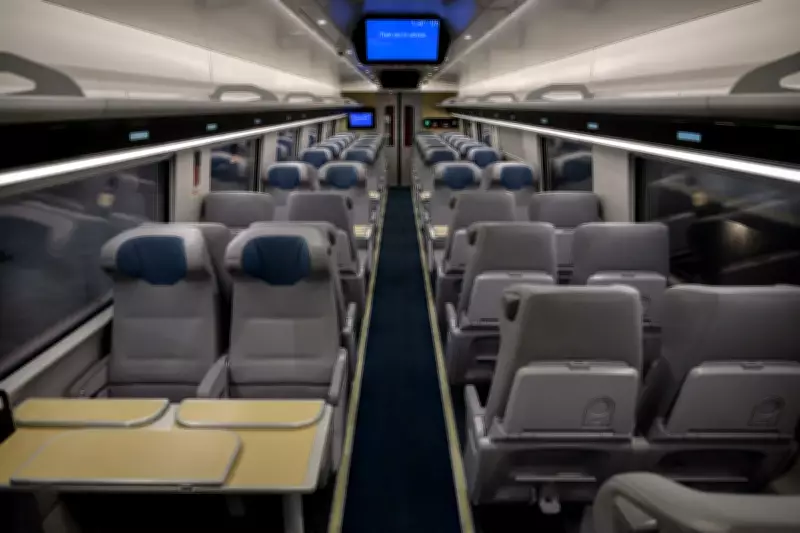
In a move that starkly contrasts with recent controversies, Philadelphia has announced it will offer free train travel for football fans departing from World Cup matches. This initiative, facilitated through a partnership with Airbnb, will be available from half-time until two hours after full-time, aiming to ease congestion and improve the spectator experience during the tournament.
Contrast with New Jersey's Controversial Fares
The decision comes in response to a significant backlash against New Jersey's transport pricing, where fans travelling from central New York to the MetLife Stadium faced a £111 ($150) return fare. This high cost drew sharp criticism from fan groups and Fifa, highlighting disparities in host city approaches to fan accessibility. In Philadelphia, journeys to the stadium from any B line station will cost just £2.14 ($2.90), with local transport fares confirmed not to increase for the duration of the World Cup.
Broader Fan-Friendly Transport Initiatives Across Host Cities
Other host cities, including Kansas City and Dallas, are also implementing fan-friendly transport pricing strategies. For instance, Kansas City is offering free bus travel, while Dallas has introduced low-cost return fares. These efforts reflect a growing trend among host cities to prioritise affordable and efficient transport options for spectators, enhancing the overall tournament atmosphere.

Roots of Transport Cost Variations
The varied transport costs stem from an amendment to the original hosting agreements. Initially, these agreements mandated free transport for fans, but they were later revised to allow provision "at cost". This change has led to the diverse pricing strategies seen across different locations, with Philadelphia opting to absorb costs through partnerships to maintain free access, while New Jersey chose a higher fare structure.
Overall, Philadelphia's initiative underscores a commitment to supporting fans and mitigating the negative publicity generated by New Jersey's controversial fares, setting a positive precedent for future sporting events.






