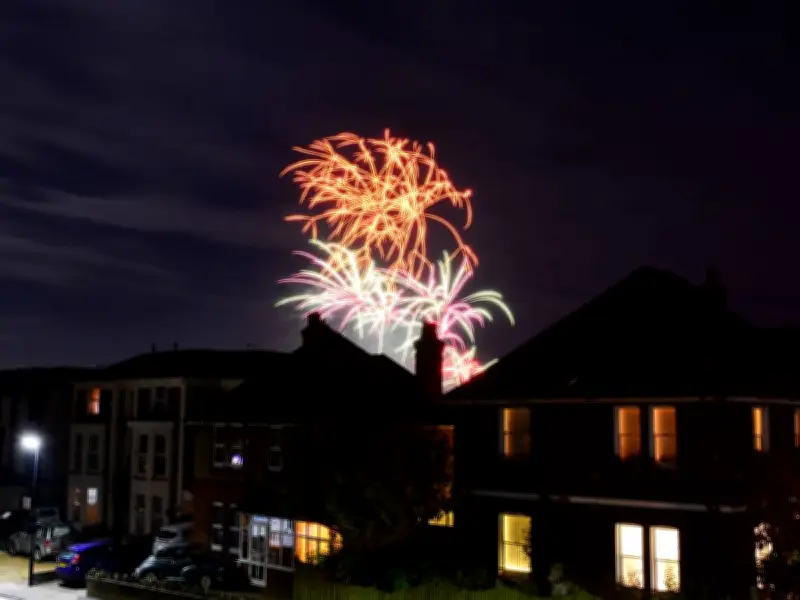
A petition calling for traditional fireworks to be replaced with quieter alternatives has gathered over 32,000 signatures since 14 September. The appeal asks parliament to mandate low-noise fireworks (between 70-90 decibels) and promote drone and laser displays as viable substitutes.
Created by Naomi Carter, the petition argues that cats and dogs experience sounds at far greater intensity than humans. According to the RSPCA, fireworks appear to animals as discordant noise without warning.
Impact on Wildlife and Pets
The petition states: "During fireworks explosions, nearby resting birds will flee and can fly into buildings. When animals are nesting or in the early stages of rearing their offspring, the risks can be even greater." It adds: "Babies can die of dehydration or starvation when terrified or disoriented animal parents cannot find their way back to their nests and burrows."
Close to 500 separate petitions have collectively gathered over 2.85 million signatures in recent weeks. Campaigners, animal welfare organisations, and concerned citizens are urging the Government to move away from high-noise pyrotechnics.
Growing Public Concern
The movement highlights distress caused to domestic pets, livestock, and local wildlife, as well as vulnerable people including military veterans and individuals with post-traumatic stress disorder (PTSD). Independent research indicates that over half of dog owners report fireworks-related anxiety in their pets, and missing dog numbers surge by as much as 81 per cent around Bonfire Night. Nearly a quarter of military veterans have reported negative experiences triggered by sudden, loud explosions.
Proposals gaining traction include restricting general public sales, lowering decibel limits, limiting displays to licensed public events, and promoting low-noise technology. Organisers and local councils are increasingly urged to explore alternatives such as synchronized drone light shows and laser displays.
Next Steps for Regulation
Under the UK Parliament petitions system, petitions that cross 10,000 signatures receive an official government response, while those surpassing 100,000 signatures are considered for a parliamentary debate. With multiple related petitions crossing these thresholds and public consultations underway, pressure continues to build on lawmakers to re-examine current firework regulations and align them with the welfare of both citizens and wildlife.