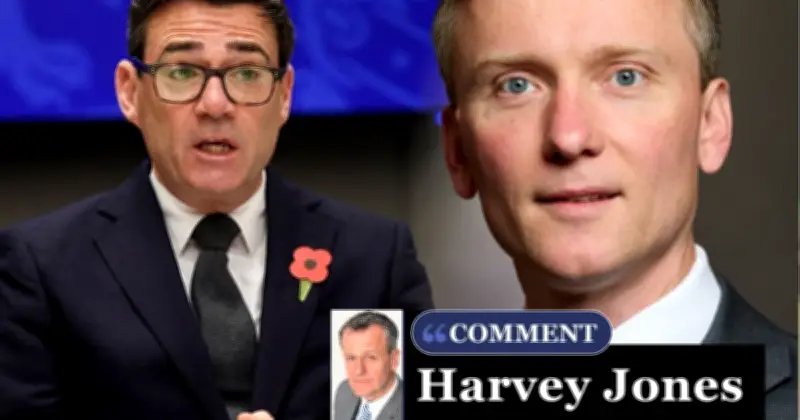
Chancellor John Healey's Budget, described by some as a "nothing" Budget, may be the start of a series of tax increases, with pensions minister Torsten Bell reportedly pushing for further measures targeting pensioners, savers and landlords.
Healey's latest tax raid totalled £8.5 billion, but more could follow, according to an analysis by Harvey Jones. The focus is on Bell, who has a track record of getting Labour to implement his policy ideas.
Bell's Influence on Tax Policy
For a decade, Bell was head of the left-wing think tank the Resolution Foundation, where he developed 20 proposals for increasing taxes. Many of these have since been adopted by the government, including higher capital gains tax, increased taxes on second homes, and cutting inheritance tax relief for farmers.
Bell also advocated for scrapping the Lifetime ISA, which was done, and higher taxes on homes. He wanted to scrap the 5p fuel duty cut, which was halted by an energy crisis.
National Insurance Expansion
Bell has also pushed to extend National Insurance to areas of income that currently escape it, including self-employment, buy-to-let income and pensioners. Reeves initially imposed a 2% surcharge on savings and rental income, which Healey doubled to 4% in his Budget.
From next April, savers and landlords will pay rates of 24%, 44% and 49%. The analysis suggests the surcharge could climb to 8%.
Potential Impact on Pensioners
The article speculates that Labour may be moving towards a system where everybody pays the same tax on their income, whether from working, saving, renting out a property or drawing a pension. This idea was previously floated by the Resolution Foundation.
In a report last September, the Foundation proposed increasing income tax by 2% while cutting National Insurance by the same amount. This would leave employees broadly unaffected, but pensioners, landlords, savers and the self-employed would pay more. The Foundation argued this would simplify the tax system and move towards abolishing employee National Insurance altogether.
If such a plan were implemented, pensioners who currently pay no National Insurance could find themselves paying an extra 8% on their incomes, as could landlords and savers. Labour has not announced such a plan, but the analysis suggests that is where policy is heading.