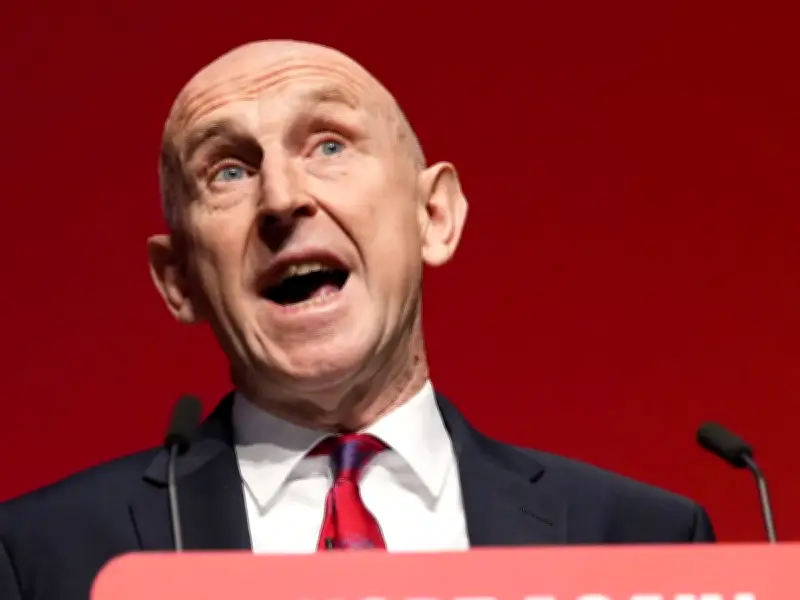
The government has confirmed a new tax rule for the State Pension, announced by Chancellor John Healey at the Autumn Budget, which will come into force from April 2027. Under the new Pension Tax Allowance (PTA), pensioners whose total annual income is equal to or less than the value of the full new State Pension will receive the full allowance and will not have to pay income tax because of State Pension uprating.
This applies regardless of where the income comes from, whether that is the State Pension, a private pension, earnings from work, self-employment income, savings, property or dividend income, or a combination of these.
Why the Rule Is Being Introduced
Every year, the amount that the State Pension and other benefits, including Universal Credit and Personal Independence Payment (PIP), are uprated annually in April is announced at the Autumn Budget. The triple lock is used to determine how much the State Pension will be worth, while inflation usually drives benefit increases.
Based on figures already known, pensioners are on course for a 3.9 per cent State Pension boost, while most Department for Work and Pensions (DWP) benefits are expected to be increased in line with inflation at 3.5 per cent. However, a 3.9 per cent increase to the State Pension would see it exceed the income tax personal allowance of £12,570 for the first time, rising to just over £13,000 for someone on a full new State Pension. This would mean, in theory, that money earned in State Pension over the £12,590 allowance would be subject to income tax for the first time.
What the New Rule Means for Pensioners
Mr Healey announced at the Budget that from April 2027, if a person's total annual income is equal to or less than that of the new State Pension, they will receive the full Pension Tax Allowance. This means they will not have to pay tax because of State Pension uprating.
Someone on the full new State Pension is on course to receive £250.70 per week from next April, up from the £241.30 they currently receive per week. That would equate to an annual pension of £13,036 from April 2027. A person on a full basic State Pension will receive £192.10 per week, up from £184.90, reaching around £9,989 per year.
Government Statement on the Allowance
The government said the PTA will ensure "that pensioners whose total income is up to the value of the full new State Pension do not have the administrative burden of paying small amounts of tax". The value of the PTA is calculated by applying the basic rate of income tax (20 per cent) to the difference between the full new State Pension and the Personal Allowance, the government said in its full Budget, published shortly after the chancellor's statement.
The government said: "Individuals over State Pension age are eligible for the automatic tax deduction if their income, regardless of source, is below or at the value of the full new State Pension. For those with incomes just above the value of the full new State Pension, the allowance will be gradually withdrawn through a taper. The allowance will apply from 6 April 2027 until 5 April 2030 and will be uprated in line with the full new State Pension across this Parliament."
Mr Healey said in his statement: "For pensioners, I am delivering the new pension tax allowance – so that pensioners with income up to the value of the full new state pension will not pay income tax in this Parliament."
The government said the PTA will be legislated for in the Finance Bill 2026-27 and it will consider arrangements for beyond April 2030 in the usual way.