

Olympic Champions Voice Concerns Over 2032 Brisbane Games Rowing Venue
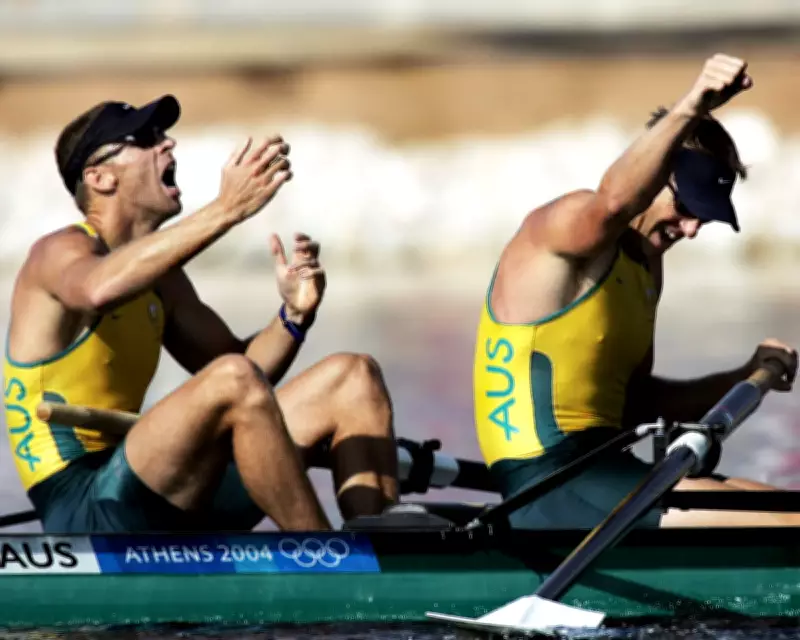
Australian rowing legends Drew Ginn and James Tomkins, both gold medallists from the Athens 2004 Olympics, have expressed strong criticism of the Queensland government's proposal to host rowing and canoeing events at Rockhampton's Fitzroy River for the 2032 Brisbane Olympic Games. The plan, which involves constructing specialised infrastructure over 600 kilometres north of Brisbane, has sparked a heated debate within the sporting community.
Debate Over Legacy and Fairness
Gary Merritt, chair of Rowunion Queensland, co-authored an open letter signed by over 500 members of the Australian rowing community, including Ginn and Tomkins. The letter argues that the Fitzroy River site, while suitable for local events, may not provide a fair playing field for elite international athletes due to potential issues with water flow and wind conditions. Merritt warns that the venue could become a white elephant post-Games, lacking the patronage needed to cover maintenance costs, as nearly 80% of the state's rowing participants reside in south-east Queensland.
Ginn, a five-time world champion and triple Olympic gold medallist, emphasises the importance of fairness in high-stakes competitions. "We don't host major events on rivers," he states. "It is baffling to think that you would host the greatest sporting event on the planet and accept something that is inferior." He draws parallels to the Penrith Regatta Centre used in the 2000 Sydney Olympics, which remains a well-utilised legacy facility, contrasting it with the dilapidated Schinias centre in Athens.

Political Backlash and Regional Defence
Queensland's infrastructure minister and deputy premier, Jarrod Bleijie, has dismissed the critics as elites and agitators, defending the decision to bring the Games to regional Queensland. Bleijie asserts that the Fitzroy River is a "gift from the rowing gods" and insists that if the International Olympic Committee rejects the Rockhampton plan, the events will not proceed elsewhere. The government highlights broader benefits, including road and transport improvements, housing, and tourism opportunities for the region.
However, Merritt counters that the criticism is not about Brisbane versus regional Queensland but about ensuring a world-class venue. He notes that concerns extend beyond crocodile safety—though no attacks have been recorded on the Fitzroy—to the venue's suitability for elite competition. Tomkins, who was not initially on the letter, has since publicly criticised the plan, indicating widespread discontent within the rowing community.
Alternative Proposals and Future Steps
The rowing community advocates for an alternative site at Moreton Bay, a 30-minute train ride from Brisbane's CBD, which has local council backing for a $250 million development. This location is seen as more accessible and likely to sustain long-term use. Meanwhile, international federations, including World Rowing and the International Canoeing Federation, are awaiting final technical assessments before endorsing any venue.
As the debate continues, the focus remains on balancing regional development with the needs of elite athletes and the long-term legacy of the Olympic Games. The outcome will significantly impact Queensland's sporting infrastructure and its reputation as a host for major international events.






