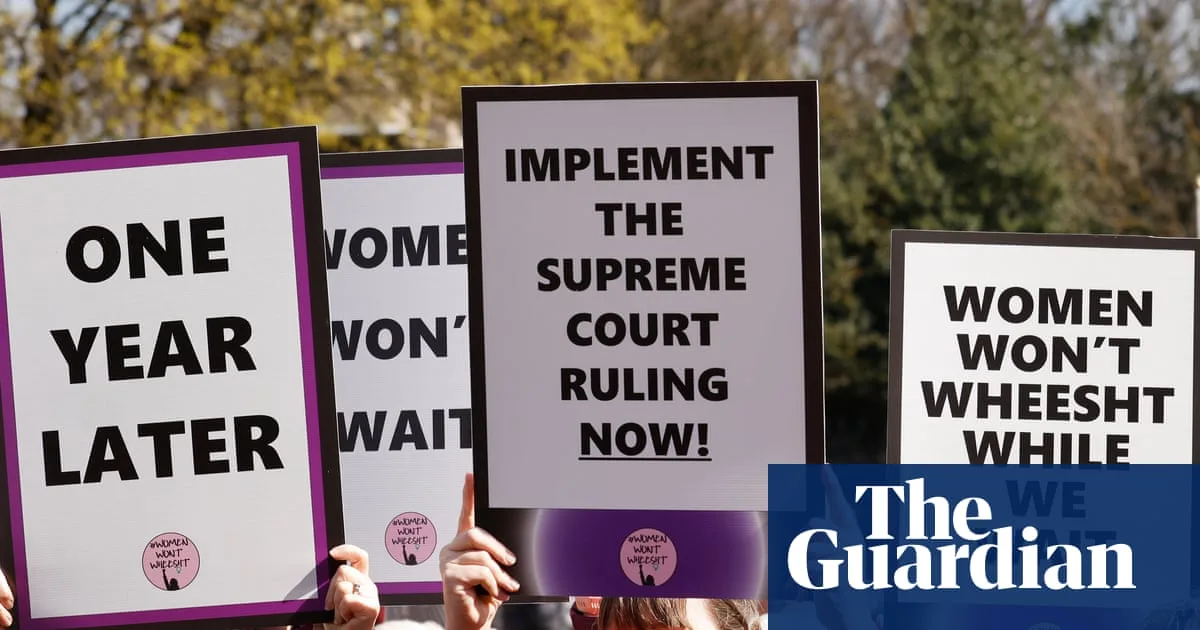
A year after the Supreme Court ruled that, for the purposes of the Equality Act, a woman is legally defined by biological sex, campaigners and service providers are still awaiting practical guidance on how to apply the judgment. The ruling, in a case brought by For Women Scotland (FWS) against the Scottish government, affects access to women-only spaces such as refuges and toilets.
Guidance from the Equality and Human Rights Commission (EHRC) has been resubmitted for government approval after facing criticism from both sides. Women's groups supportive of the ruling have expressed frustration at the length of time taken by Equalities Minister Bridget Phillipson to consider the guidance, originally submitted last September. Meanwhile, organisations opposing the ruling argue a leaked draft, which effectively suggested a ban on transgender people using facilities matching their lived gender, is unfair and legally unworkable.
Transgender individuals like Janey, a 70-year-old Londoner who has lived as a woman for nearly 50 years, report ongoing anxiety. She continues to use public toilets but says fear only lasts seconds. One unpleasant incident at work was resolved with a supportive manager. She worries about younger generations facing a 'chipping away of rights'.

Gender-critical campaigners, such as FWS member Smith, celebrate the ruling as strengthening women's legal protections. She notes that some organisations, including certain Rape Crisis and Women's Aid centres in Scotland, have reclaimed single-sex status. However, Smith admits to initial naivety about the campaign's duration and finds the government's delay in approving guidance frustrating, though she maintains that 'the law is still the law'.
The National Federation of Women's Institutes (WI) also felt the impact. Chief Executive Melissa Green said the ruling prompted significant legal advice. Last December, the WI announced it would no longer accept transgender women as members from April 2026, reversing a 40-year trans-inclusive policy. Green explained that as a single-sex organisation, the only interpretation of sex under the Equality Act was biological.