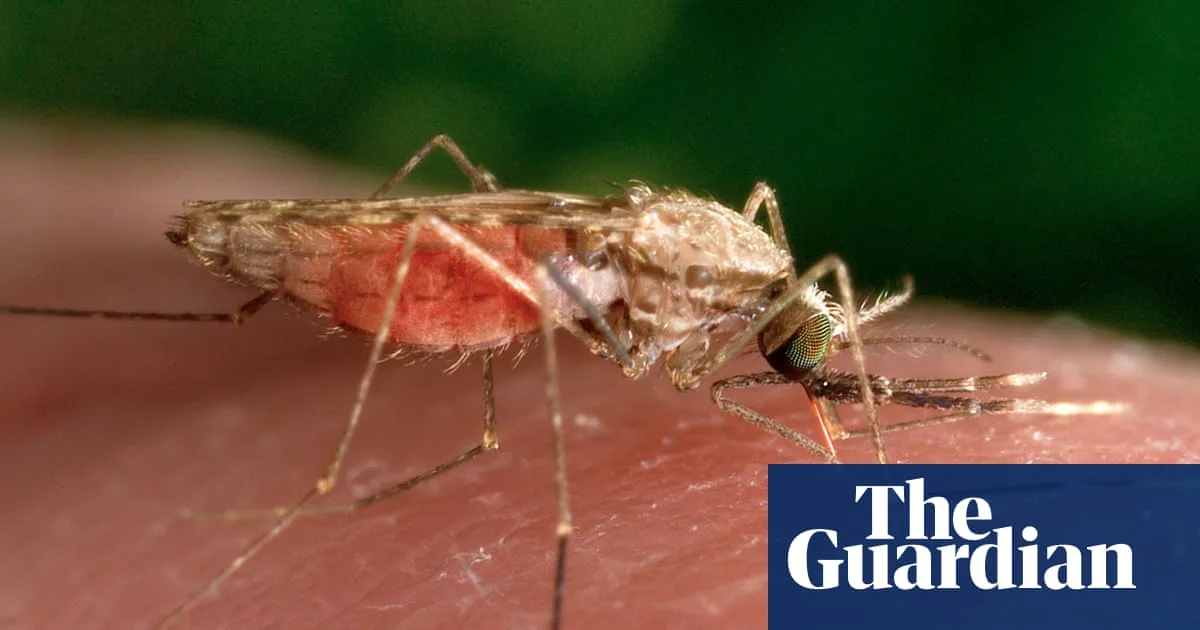
Mosquitoes can become attracted to the insect repellent Deet if they associate it with a blood meal, according to a new study. Researchers found that the insects can learn to link the chemical with feeding, similar to Pavlov's dogs learning to associate a bell with food.
The study, published in the Journal of Experimental Biology, observed that 60% of mosquitoes that fed on warm blood while exposed to Deet later attempted to bite when exposed to Deet alone. In contrast, only 17% of untrained mosquitoes showed such behaviour. Another test revealed that nearly 60% of trained mosquitoes tried to bite a researcher's Deet-treated hand, while untrained ones avoided it.
Professor Claudio Lazzari from the University of Tours, France, said: 'For a long time, it was believed that repellents worked solely because of their chemical properties... However, our findings suggest that the reaction can be modified by experience.' He added that this represents a significant change in understanding of repellents.

Experts stressed that the findings do not mean Deet loses effectiveness under normal use. Dr Nina Stanczyk of ETH Zürich said: 'The most important point for travellers is to regularly reapply repellent as instructed by the product label.' Professor Francesca Romana Dani from the University of Florence noted that under normal conditions, it is unlikely mosquitoes would change their response to Deet based on prior experience.