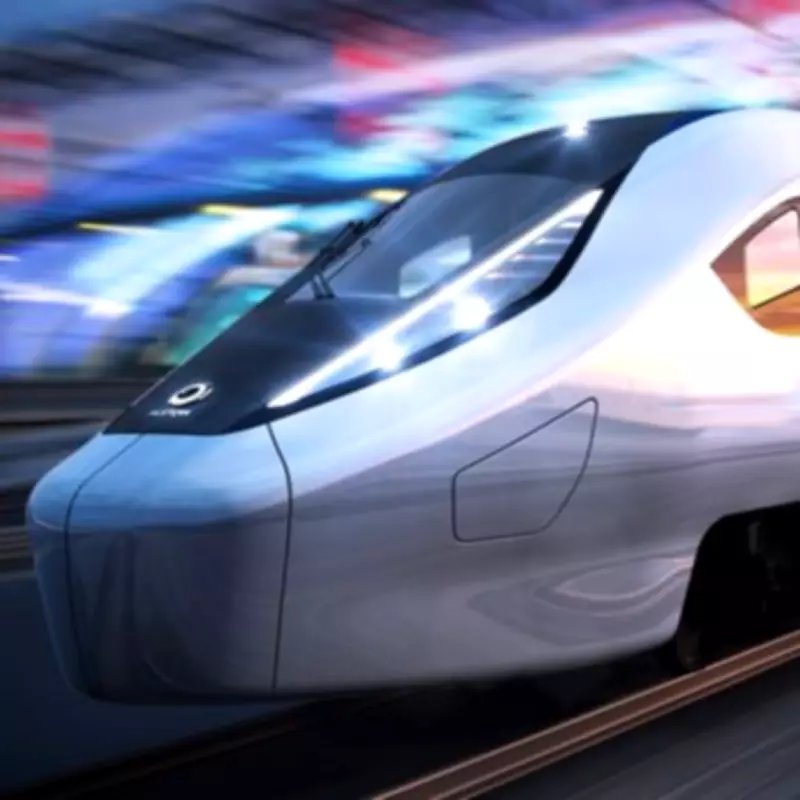
Ministers will not set an exact target date for the completion of HS2 after the final deadline for the long-delayed project was repeatedly missed. Transport Secretary Heidi Alexander will on Tuesday announce a three-year range for the completion of the crisis-hit high speed rail scheme.
New Timetable and Cost Estimates
Ms Alexander will tell MPs the current 2033 target date for trains to be up and running will be missed. This is now expected to be more around the mid-2030s. She will also set out a ballpark for the costs, which have long been expected to exceed £100 billion. The Cabinet minister will confirm speeds for the high-speed rail will be lowered to 320km/h to save money and construction time.
Government Source Comments
A government source told The Mirror: "Despite the waste and loss of control under previous governments, we have done the hard yards to grip and deliver HS2. This is the moment we turn the project around for good, with new costs and timetables to deliver the railway as quickly as possible and at the lowest reasonable cost."

Review of HS2 Failings
It comes as a major review of HS2 failings is on Tuesday expected to admit public trust could be further lost if exact target dates are set and not met. The report, written by former National Security Advisor Sir Stephen Lovegrove, will criticise the damage to the project by "changing objectives and political priorities" over the years, as well as the relentless focus on achieving the highest possible speeds.
Transport Committee Chair's View
Ruth Cadbury, chair of the transport select committee, told The Mirror: "Everyone would like to see a new target date but it has to be one that is realistic and deliverable. I think there's a general agreement that trying to be the fastest high-speed rail in the world was overly ambitious and at significant cost and isn't particularly necessary in a country as small as the UK." She added that Lovegrove's report is intended to help learn "lessons not just on HS2 but also other infrastructure projects".
Speed Reduction Details
High Speed 2 - known as HS2 - was originally commissioned to run at 360km/h, which would have made its trains the fastest conventional high-speed trains anywhere in the world. Lowering the speed of the train will bring it in line with high-speed models such as HS1, Japan's bullet trains and France's TGV network. Most high speed trains in Britain run at up to 200km/h. China and Spain have the highest design speeds of 350km/h.