

Middle East Conflict Disrupts Gulf's Sports Diversification Ambitions
The ongoing US-Israeli war on Iran has significantly impacted the Gulf region's aspirations to become a global sports hub, leading to a cascade of event cancellations and exposing underlying weaknesses in economic diversification strategies. This conflict has not only disrupted the sporting calendar but also highlighted the fragility of plans to reduce reliance on oil through sports investments.
Symbolic Setbacks and Immediate Cancellations
A poignant example of the disruption occurred when Nasser al-Khelaifi, president of Paris Saint-Germain and a key figure in world football, was grounded in Doha due to closed Qatari airspace, missing a Champions League match. Although airspace partially reopened, allowing him to attend later games, the damage to the sporting landscape was already evident. In recent days, a flood of cancellations has mirrored the early stages of the COVID-19 pandemic, with major events like the Bahrain and Saudi Arabian Formula One grands prix called off. Additionally, a high-profile football match between Argentina and Spain in Doha has been scrapped, and MotoGP's Qatar Grand Prix rescheduled for November.
Smaller competitions, such as the Artistic Gymnastics World Cup and the GCC Games, face uncertainty, while future events like the FIBA Basketball World Cup in Qatar next year are under scrutiny. According to Doha-based Northbourne Advisory, over 100 events across all sectors have been cancelled in the Gulf since the conflict began, underscoring the widespread economic and logistical challenges.

Vulnerabilities in Sports-Based Diversification
Simon Chadwick, a professor of Eurasian sport industry at Emlyon business school, notes that the conflict has laid bare the weaknesses in the Gulf states' event-based diversification model. He explains, "One of the main reasons the Gulf countries invested in sport was to build interdependence and security. Qatar, in particular, has relied on other countries investing in its sporting infrastructure, but that is now vulnerable." Qatar pioneered this approach, spending approximately $220 billion on the 2022 World Cup to transform Doha into a sporting megacity. Neighbours like Saudi Arabia, the UAE, and Bahrain followed with Vision 2030 projects aimed at shifting their economies toward sport, leisure, and tourism.
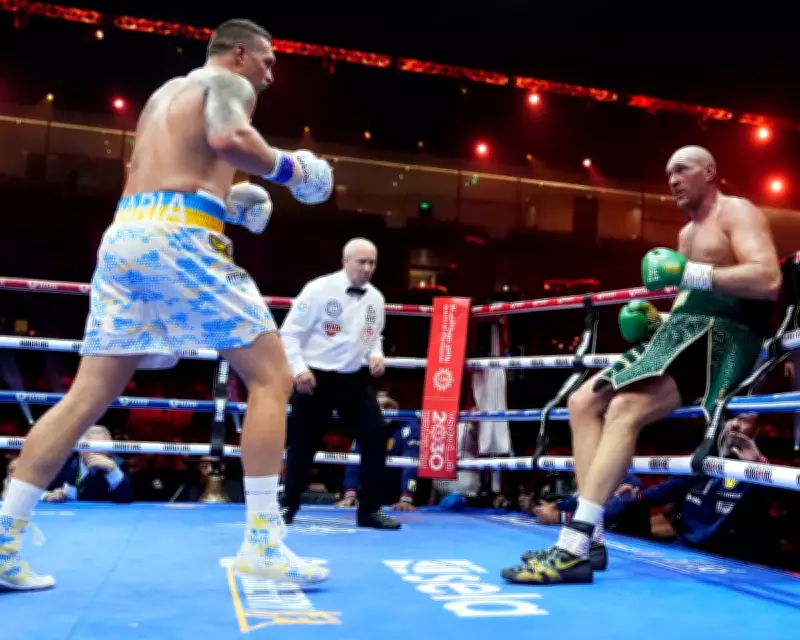
Saudi Arabia's ambitions are particularly grand, with Crown Prince Mohammed bin Salman targeting sport to contribute 3% of GDP by 2030—a goal that surpasses the EU's 2% and the UK's 2.5%. Early successes include securing the 2034 World Cup bid and attracting stars like Cristiano Ronaldo to the Saudi Pro League. However, Chadwick criticises the lack of a sustainable sports ecosystem, pointing out that reliance on imported labour and foreign consultants, without developing local manufacturing or investing in areas like e-sports, leaves the region exposed. "They have not diversified enough... If this had happened 10 years later then perhaps they would have been able to cope better. The war has come at the wrong time," he adds.
Responses and Long-Term Concerns
Saudi officials have responded with what some describe as denial, maintaining that sports events will continue despite the crisis. While most Saudi Pro League games have proceeded, AFC Champions League Elite fixtures have been postponed, and the international break has allowed European players to return home temporarily. However, concerns persist about player retention, especially with drone attacks on the King Fahd Causeway to Bahrain causing unease among expatriates.
Long-term, the biggest worry is that difficulties in exporting oil and gas could lead to significant spending cuts. Reports indicate that Saudi Arabia's Public Investment Fund has already reduced budgets for World Cup stadium construction, causing delays, and the Qiddiya Speed Park for future Formula One races remains incomplete. A consultant for the Saudi sports ministry suggests that investments in tennis, golf, and darts are most at risk, while football, Formula One, and boxing may be protected. Nonetheless, the uncertainty has created a climate of anxiety for all involved in Gulf sports projects.

This situation underscores the precarious balance between ambitious sports investments and geopolitical stability, challenging the Gulf's vision of becoming a permanent global playground.





