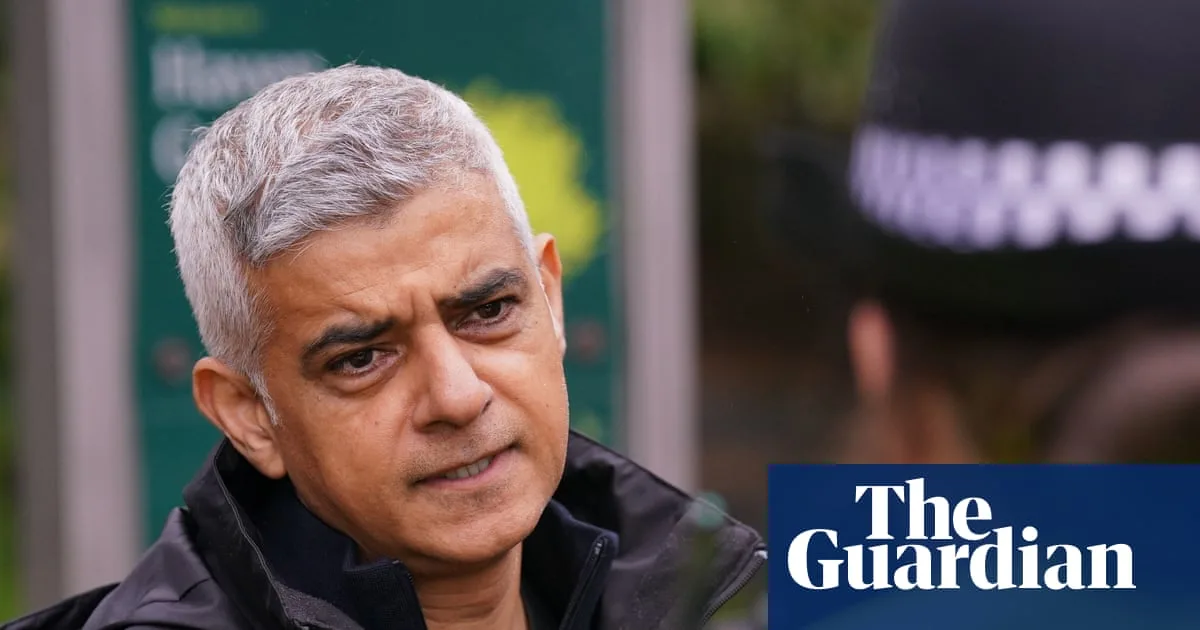
The Metropolitan Police has warned that it will have to reduce officer numbers if a £50 million deal with US technology company Palantir does not go ahead. The force expressed disappointment after Mayor of London Sir Sadiq Khan blocked the agreement.
Scotland Yard had been in discussions about using Palantir's artificial intelligence technology to automate intelligence analysis in criminal investigations, as reported by The Guardian in April. The company, founded by tech magnate Peter Thiel, a prominent donor to US President Donald Trump, already holds contracts with other UK public sector bodies.
The Metropolitan Police stated that the decision prevents it from using technology already available to the NHS, the Ministry of Defence, and other police forces. The force argued that implementing such technology is crucial given a financial shortfall that threatens workforce reductions. Without new technology delivered at pace, the force would be forced to make further tough choices that cannot avoid reducing officer numbers.
On Thursday, the Mayor's Office for Policing and Crime (Mopac) revealed that Palantir was the only supplier the Met had seriously considered for the proposed contract. The mayor's office said the force failed to present its procurement strategy to Mopac for approval, a clear and serious breach of procedure despite the requirement being specifically emphasised to the Met. This meant City Hall was unable to ensure value for money.
Deputy Mayor for Policing and Crime Kaya Comer-Schwartz told Met Commissioner Sir Mark Rowley: "To date, I have not been provided with any acceptable explanation for this failure." She added that the process followed did not provide a reasonable process of competition or market testing for the services being procured.
It is understood that Sir Sadiq expects to speak to the Government about whether a company's ethics should be considered in procurement processes. He expects Londoners would want public funding issued to companies that share the city's values.
The mayor's office was originally told the contract would cost between £15 million and £25 million per annum over two years. After negotiating with Palantir, the Met increased the contract to the upper end of the range at £25 million. Mopac was not satisfied that this cost could be paid for both years without risking unacceptable tolls on other budgets. Extending the contract, a not uncommon request for the Met, would increase risks and concerns.
Ms Comer-Schwartz told Sir Mark: "I appreciate that my decision will be disappointing. To be clear, I continue to support MPS taking effective and timely action to source and procure technology that can support operational functions. However, I believe this can, and must, be done in a manner that incorporates reasonable, effective arrangements to ensure value for money."
The Metropolitan Police argued that new technology is needed to stay effective amid staffing cutbacks. A Met Police spokesperson said: "The decision by Mopac is disappointing. We need to modernise and use the very best technology available. We must be able to innovate at a faster rate than hostile states and organised criminals. For now, this decision prevents us using technology already available to the MoD, the NHS, and other police forces."
The procurement process was conducted using the same framework as several other government departments and forces that already use Palantir and was applied diligently at every stage. The force added: "The technology we want to introduce is crucial to maintaining our service to London while shrinking for the third consecutive year. Failing to introduce new technology to address back-office processes and build our effectiveness is the opposite of value for money. The technology has shown it can save much more than it costs and improve performance."
The force suggested further workforce cuts could be on the horizon without the Palantir deal: "We have already made tough and contentious choices on front counters, Royal Parks, schools officers, and our mounted branch. Without new technology, delivered at pace, we will be forced to make further tough choices that cannot avoid reducing officer numbers, impacting our service to London and our ability to keep the capital safe. We are in active discussion with Mopac and will continue to pursue every avenue to resolve this issue swiftly."