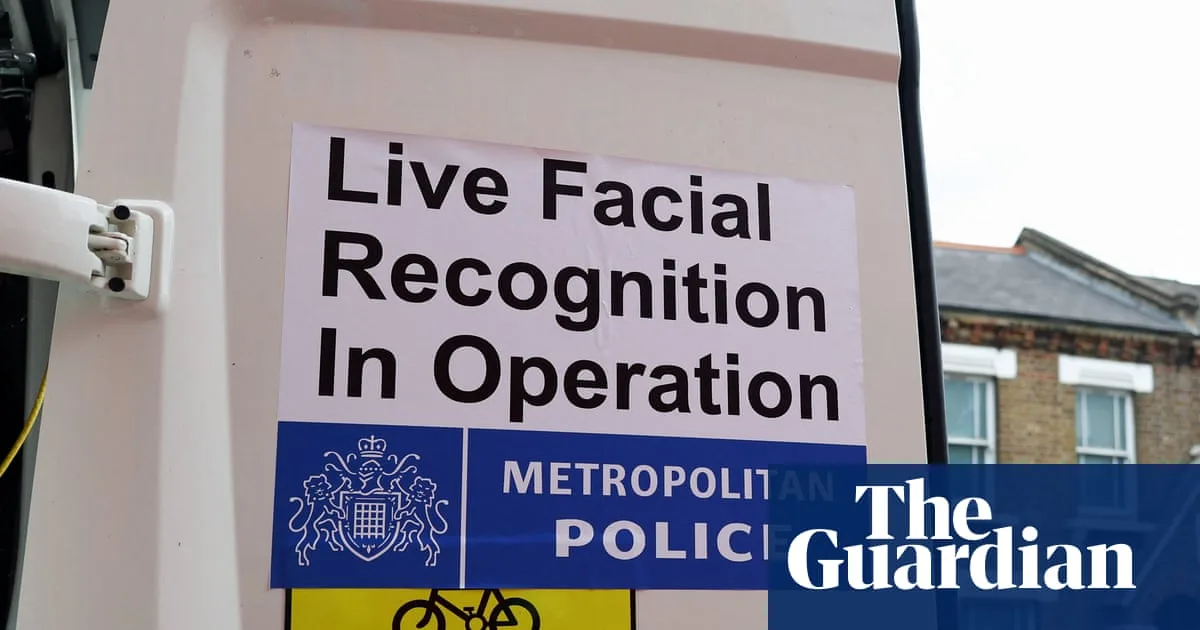
Met Palantir Row Exposes AI Dilemma in UK Public Services

The Metropolitan Police's stalled £50 million contract with US AI company Palantir has ignited a broader debate about the role of artificial intelligence in UK public services. The controversy, which saw London Mayor Sadiq Khan block the deal over procurement breaches and concerns about London's values, underscores a growing tension between technological efficiency and public accountability.

The Fiscal and Operational Pressures Driving AI Adoption

Britain's largest police force is under immense financial strain, facing a £125 million funding shortfall that threatens 1,150 posts. In response, Scotland Yard is turning to AI as a cost-saving measure to automate tasks such as analysing human intelligence reports, emails, phone records, and digital evidence. This shift signals that AI is increasingly viewed as a viable substitute for human labour in policing, raising profound questions about the future of law enforcement.

Police forces across the UK, including Bedfordshire and Leicestershire, have already adopted Palantir's technology. The Home Office, under Secretary Shabana Mahmood, has called for police to "ramp up use of AI" at "pace and scale." Labour has established a national centre called Police AI and is exploring AI deployment in the NHS, military, and justice system. However, the government lacks its own AI systems and must rely on private providers, many of which are controversial.

Wide Pickt banner — collaborative shopping lists app for Telegram, phone mockup with grocery list

Palantir's Controversial Reputation

Palantir's co-founder Peter Thiel and CEO Alex Karp have made inflammatory statements, with Thiel claiming the NHS makes people sick and Karp describing post-WWII disarmament of Germany and Japan as an "overcorrection." The company's contracts with US Immigration and Customs Enforcement (ICE), the Israeli military, and the US Department of Defense have made it a symbol of big tech's perceived dark side. Sadiq Khan cited concerns about using public money to support firms acting contrary to London's values.

When Palantir proposed an AI-driven surveillance system to root out corrupt officers at Scotland Yard, the Metropolitan Police Federation condemned it as "Big Brother" and "unchecked use of a controversial AI provider." The federation warned that rebuilding trust between rank-and-file officers and senior leadership would take time.

Lack of Viable Alternatives

Police leaders maintain that Palantir is the only company capable of providing the comprehensive AI system they need. While smaller British firms could offer piecemeal solutions, none can match Palantir's range of tools. Professor Alan Woodward of the University of Surrey noted that AI is becoming critical infrastructure, and the UK needs greater independence in this area. He highlighted that Palantir succeeded largely due to US government funding, suggesting that UK investment could foster domestic alternatives.

The Palantir row encapsulates a fundamental dilemma: how can public services harness AI's potential while maintaining public trust and avoiding dependence on controversial corporations? As the Met and other agencies navigate this terrain, the outcome will shape the future of AI in British public life.

Pickt after-article banner — collaborative shopping lists app with family illustration