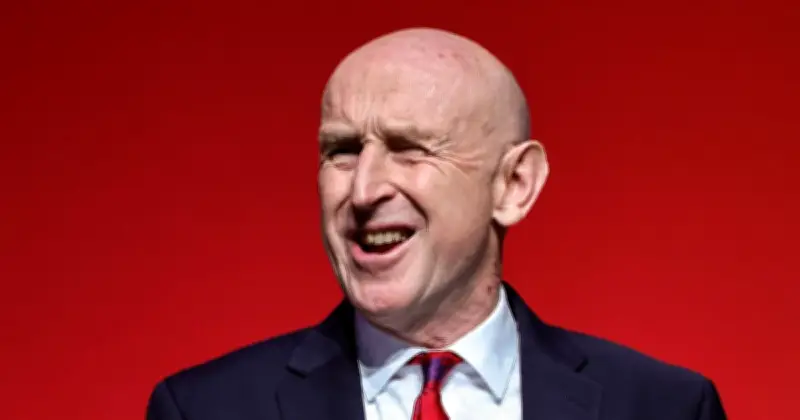
Martin Lewis has flagged a key issue he will be watching for in next week's Budget concerning State Pensioners. Chancellor John Healey will deliver his first Budget on Wednesday, October 28, and faces the challenge of working within Britain's constrained fiscal resources while seeking measures to boost economic growth.
Lewis, founder of MoneySavingExpert.com, said he will be looking for further detail about a scheduled change to the State Pension. The full rate of the new State Pension is currently £241.30 a week, though the amount a person receives may differ depending on factors including whether they were contracted out before 2016, the number of National Insurance qualifying years they have, and whether they paid into the Additional State Pension before 2016, according to GOV.UK.
Triple lock and the 3.9% rise
Under the triple lock commitment, the State Pension rises annually by one of three measures: wage growth, inflation, or 2.5% – whichever is highest. This week it was confirmed that the State Pension would rise by 3.9% when uprated in April next year, based on wage growth figures for the May to July period of 2026, which were confirmed to outstrip inflation.
Years of increases mean from April, the annual rate for those with full entitlement will rise to around £13,040. For the first time, the State Pension will be higher than the £12,570 tax-free personal allowance, which has been frozen for more than five years.
Tax concerns and the mechanism
The change raised concerns that pensioners who had saved all their lives and relied on the pension could start to lose out due to the uprating. The Government confirmed that older people solely living off their State Pension would not be taxed on income in excess of the allowance, with more information to be provided in the Budget, the Treasury said.
Lewis included the issue in a list of things he will be keeping a close eye on. Writing on X, he said: "We now know someone who ONLY gets the full new state pension won't pay tax. But it's very important we understand the mechanism."
He added: "For example, if someone has just £10 a year of other earnings, will they still have to pay tax? If so, that £10 of earnings will effectively cost them about £100 – the tax they'd pay without the exemption."
Treasury response
A Treasury spokesperson said: "In line with the commitment made at Budget 2025, pensioners who only just the exceed the personal allowance will not have the administrative burden of paying small amounts of tax in this Parliament. The Chancellor will set out further details on how that commitment will be delivered at the Budget."