
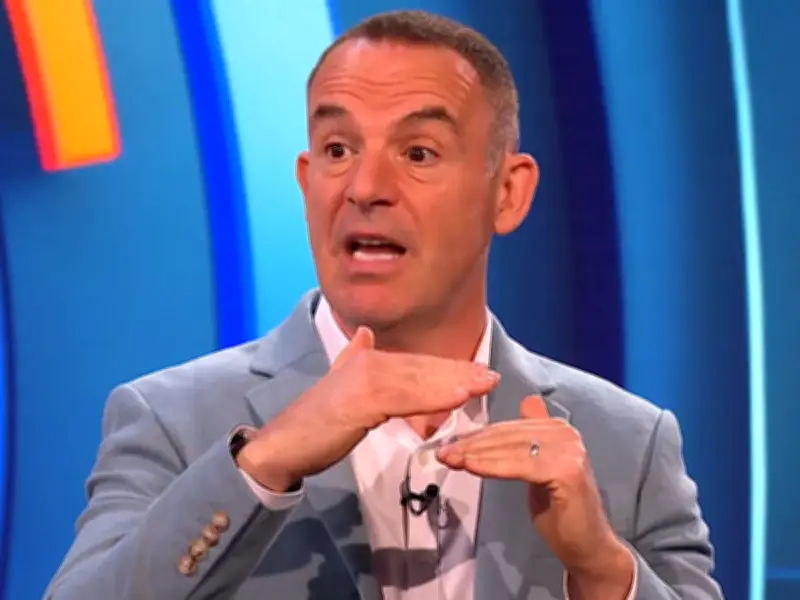
Martin Lewis has explained how the new State Pension tax allowance will work, following changes announced in the Budget. Chancellor of the Exchequer John Healey confirmed in the Budget today (October 28) that there would be a new pension tax allowance.
It means that pensioners with income up to the value of the full new state pension will not pay income tax on it. There had been fears that pensioners collecting the full new State Pension would exceed the tax-free personal allowance of £12,570 for the 2026/27 tax year.
Why the change was needed
That would be caused by the 3.9 per cent rise predicted next April thanks to the triple lock, which works by making sure that the state pension goes up by inflation, wages or by 2.5% - whichever is highest.
Former Chancellor Rachel Reeves promised that pensioners earning slightly more than the personal allowance from their State Pension alone would not be chased by the Government for tax. Mr Healey has now changed the State Pension tax allowance, saying: “For pensioners, I am delivering the new pension tax allowance – so that pensioners with income up to the value of the full new state pension will not pay income tax in this Parliament.”
How it will work
According to money-saving expert Mr Lewis: "From April 2027, if your total annual income is not more than full new State Pension (£13,037/yr) you will not pay tax. So this is £94 extra tax free. If your total income is slightly higher then for every £3 you earn above, you lose £1 of this extra allowance." So if you earn £13,186 (£150 above) you would get a 'Pension Tax Allowance' meaning you pay £44ish less tax than otherwise (ie £94 minus £50) So by total income of £13,319 you won't receive any extra allowance.
He also said that the changes will be applied automatically by His Majesty's Revenue and Customs (HMRC), so people do not need to fill anything in or apply for the new rate. "HMRC will automatically apply this allowance you will not need to claim it," he said.
Future changes to the triple lock
Prime Minister Andy Burnham has pledged to end the triple lock in its current form from 2030 to help fund a new national care service. His plans would see the state pension increase every year at least by inflation or 2.5% - but remove the automatic annual link with average earnings.
The triple lock has long proved controversial, with many saying it favours pensioners and is unaffordable. It is forecast to be three times higher by the end of the decade than its original estimate, according to the Office for Budget Responsibility.
Prior to Mr Burnham's announcement of scrapping it, the annual cost of the triple lock policy is estimated to reach £15.5bn by 2030.




