
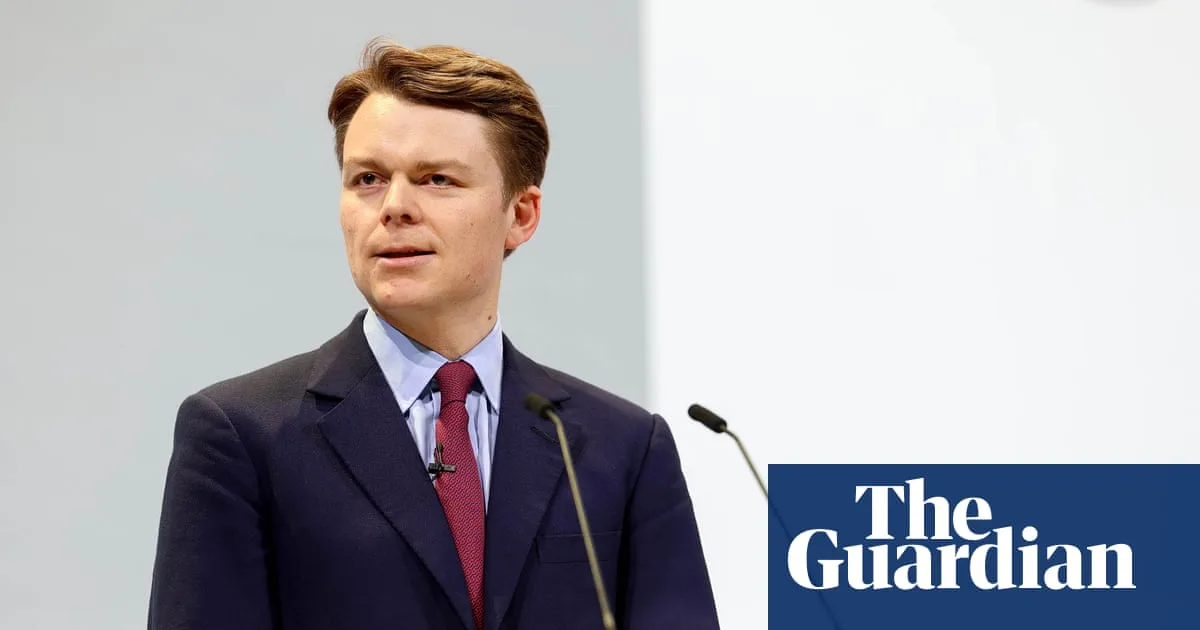
Louis Mosley, the UK and Europe boss of Palantir, has become a focal point for public concern over US tech influence in Britain. The company, co-founded by Trump-backing billionaire Peter Thiel, holds over £600m in contracts with the NHS, Ministry of Defence, and police. Critics are urging the government to sever ties due to Palantir's rightwing rhetoric and work with US and Israeli militaries.
Mosley, educated at Westminster School and Oxford, frequently defends Palantir on X, podcasts, and BBC News. In a 2025 speech at an Alliance for Responsible Citizenship rally, he invoked Oliver Cromwell and warned of a 'distributed idea suppression complex' (Disc) comprising fact-checkers, activists, and journalists. He argued that Brexit and Trump signal cracks in the Disc, with technology enabling a restoration of civilisation.
Mosley's background is in Tory politics, not technology. He worked as an assistant to Rory Stewart and served as a councillor in Kensington and Chelsea. He joined Palantir in 2016 and now leads its 700-strong UK and Europe operation from a Soho headquarters. His grandfather is Sir Oswald Mosley, the 1930s fascist leader, which has caused political complications—his 2017 Conservative candidacy was axed over the association.
Mosley's attire of dark tops has drawn comparisons to 'blackshirts', but former colleague Libby Bateman says it is simply because black suits his complexion. In 2019, he secured a Brexit planning contract after pitching to Michael Gove, who was impressed by his intellectual curiosity.




