LIV Golf Reels as Saudi PIF Withdraws Financial Support
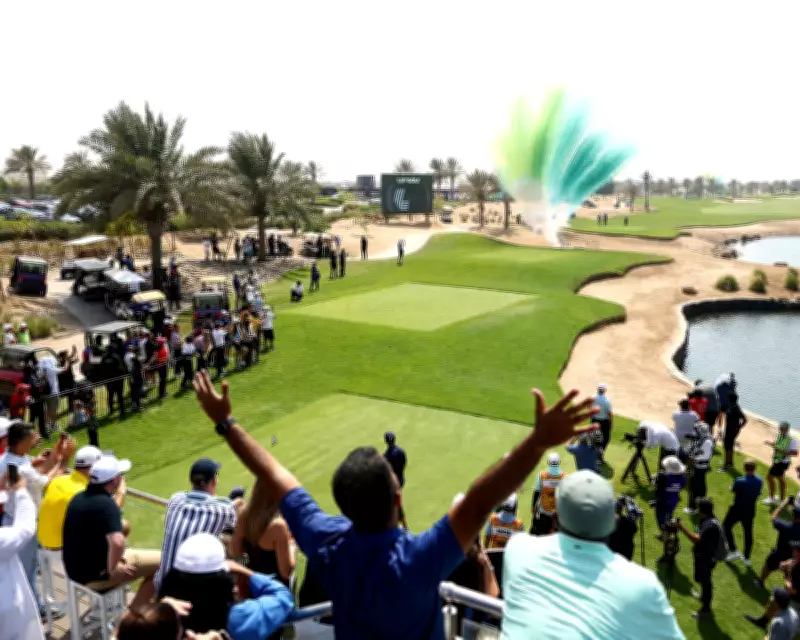
The LIV Golf tour is facing a severe crisis following the unexpected withdrawal of financial backing from Saudi Arabia's Public Investment Fund (PIF). This development, first communicated to LIV executives in a New York meeting, has sent shockwaves throughout the global sports industry, raising fears about the future of the rebel golf circuit and other sports reliant on Saudi investment.
Shockwaves Across the Sports World
An unscheduled gathering of LIV Golf executives in Hudson Yards, Manhattan, this week revealed that PIF is ending its support for the tour. This decision comes amid a broader slowdown in Saudi Arabia's lavish sports spending, which has exceeded $10 billion over the past five years. While a reduction in expenditure was anticipated, the abrupt nature of PIF's withdrawal has left many in the industry stunned and anxious.
In an email to staff on Wednesday evening, LIV chief executive Scott O'Neil failed to address the possibility of PIF's exit, exacerbating concerns about job security among employees. These worries extend beyond golf, with administrators in other sports fearing similar budget cuts could be imminent as Saudi Arabia reassesses its investment strategy.

Shift Towards Domestic Benefits and Privatisation
Saudi Arabia has long framed its sports investments as part of Vision 2030, a strategic plan to diversify the economy away from oil into sectors like leisure and tourism. However, sources indicate that PIF is now prioritising investments that offer financial returns and long-term economic benefits for the domestic market. A source familiar with both the Saudi Ministry of Sport and the Saudi Pro League noted that LIV Golf, with over $5 billion invested, represents an older era of spending and is particularly vulnerable under this new approach.
The timing of LIV's troubles coincides with PIF's release of its financial strategy for 2026-2030, which emphasises value realisation through performance and private sector engagement. While sport is not explicitly listed among PIF's six investment pillars, it will be included under tourism, travel, and entertainment. This shift is seen as an effort to privatise Saudi Arabia's sports industry, making assets like LIV Golf less sustainable compared to more profitable ventures.
Football and Other Sports in the Crosshairs
In contrast to LIV Golf, football appears to be a more secure investment for PIF. The fund recently confirmed the sale of a 70% stake in Al-Hilal, a Saudi Pro League club, to a private company owned by Prince Al Waleed bin Talal Al Saud. PIF still holds majority stakes in three other clubs—Al-Ittihad, Al-Ahli, and Al-Nassr—but these are expected to be sold off in coming years. Notably, Cristiano Ronaldo owns a small stake in Al-Nassr and may increase his investment post-retirement.
Other sports are also under scrutiny. Esports, popular among Saudi Arabia's youthful population—69% of whom are under 35—will likely be protected, with the Esports World Cup set to return to Riyadh in August with a $75 million prize fund. Boxing and mixed martial arts (MMA) will continue to receive support due to the influence of Turki Alalshikh, a key adviser to Crown Prince Mohammed bin Salman. However, less profitable ventures, such as the WTA Tour finals in Riyadh and the 2029 Asian Winter Games, have been discontinued or cancelled.
Implications for Newcastle United and Global Sports
The PIF's new direction raises questions for Newcastle United, which has benefited from approximately £500 million in investment since PIF acquired the club four years ago. While Newcastle sources have received assurances of continued support, practical implications remain unclear, especially regarding delayed plans for a new £1 billion stadium.
Globally, the fallout extends to organisations like Fifa, which may face challenges selling future Club World Cup rights if PIF reduces its involvement. Additionally, motorsport investments, including a new Formula One circuit near Riyadh, proceed, but recent cancellations of races in Jeddah and Bahrain due to regional conflicts add uncertainty.

Paradoxically, the LIV news emerges as elite sport resumes in Saudi Arabia after a war-related shutdown, with the Asian Champions League quarter-finals in Jeddah this weekend. Yet, as the Saudi Pro League continues uninterrupted, it underscores a prevailing trend: football often receives preferential treatment, leaving other sports to navigate an increasingly precarious landscape.