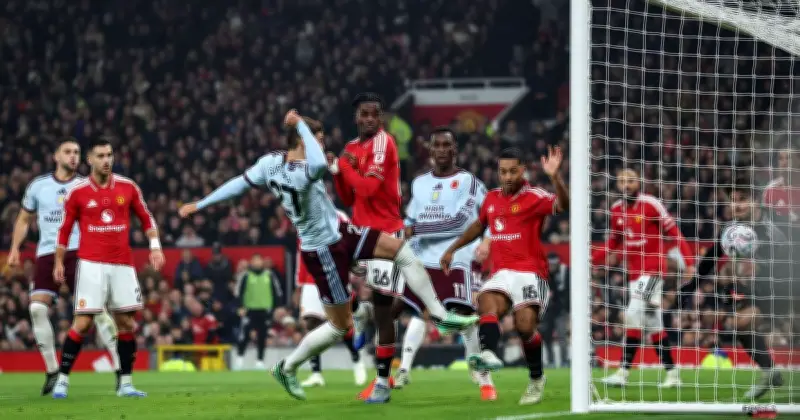
The Liberal Democrats have called for discounted tickets to Premier League matches for military personnel and veterans as part of a new plan to address the armed forces recruitment and retention crisis.
The party's defence spokesperson, James MacCleary, said: "Our troops and veterans put their lives on the line for this country, yet too often we treat their service as an afterthought."
Salute to Service proposal
The party wants to work with national sporting bodies to hold fixtures throughout the year with special tickets and acknowledgements for personnel and veterans. This could include the English top flight, via engagement with the Football Association, the Lib Dems said.
The proposal aims to emulate displays seen at major sporting fixtures in the US. All four of America's biggest sporting leagues run dedicated annual campaigns in support of its troops. The National Football League (NFL), the US's most-watched competition, honours the military community through its Salute to Service during November each year, including special game-day tributes, community events and charitable initiatives. The campaign has raised more than £60.5 million ($80 million) for non-profit organisations since 2011.
Wider benefits for veterans
The Lib Dems are also calling for improved housing and better access to compensation for personnel and veterans in their new 'Salute to Service' offer. They want a military home standard introduced for single living accommodation and a free Veterans Railcard, covering a five-year period, for recent military leavers. The party is also calling for a reduced-price Veterans Railcard for non-recent leavers. This is expected to cost up to £12 million a year, while the free card is estimated to cost £2.5 million a year.
Mr MacCleary said as global tensions rise, Britain cannot protect its national security "without the personnel and talent to back it up". He said: "We hide our personnel in freezing, mouldy barracks, and then expect them to fight for us. They deserve real action, not warm words, for the sacrifices they make.
"We need decisive action now to honour their service, fix these basic injustices, and give talented people the confidence to join and stay in our military. Service personnel should know that their country will have their back both in uniform and in civilian life. If we want talented people to step forward and serve, we have to show them that their service is valued."
Recruitment and retention context
In September, the Ministry of Defence (MoD) claimed military retention and recruitment are improving as new figures showed more people had joined than left for an entire year — the longest such run since 2021. However, the Army only grew by 170 soldiers.
Under-par service accommodation has been cited as a factor in the military's retention woes. In 2024, a survey by the Defence Select Committee found 29% of service personnel cited accommodation as a factor influencing their decision to leave. Complaints have included persistent damp and mould problems, as well as outdated facilities and furniture.
The Lib Dems also want medical records for personnel released no later than one month after leaving the military, compensation awarded under the War Pension Scheme and armed forces Compensation Scheme to be fully exempt from means-testing for wider benefits and the introduction of a legal preference for veterans entering the civilian workforce.
An MOD spokesperson said: "Our armed forces make enormous sacrifices every day to keep this country safe and we owe a debt of gratitude to them for their service.
"We are delivering the biggest upgrade to armed forces housing in over half a century. There has already been a significant rise in satisfaction levels among those living in military family homes, with 75% of families now saying they are satisfied, and we have already completed upgrades to 1,250 of the poorest-quality family homes.
"We are investing £9.2 billion in a generational renewal which will see more than 40,000 military homes modernised, refurbished or rebuilt.
"We are also reversing the decline in armed forces recruitment, with more personnel now joining than leaving for the first time since 2020."