New rules coming into force on Monday require social landlords to act more quickly to address serious hazards in their properties, including excess cold and heat. The changes set legal deadlines for landlords to investigate and respond to significant risks such as faulty electrics, structural collapse and serious falls.
Brought in under Awaab's Law, the extended legislation also covers fire and explosions as well as hygiene risks, including problems with sanitation or pests.
What landlords must do
Landlords will be required to investigate emergency hazards and make them safe within 24 hours. If issues are deemed serious but not immediately dangerous, landlords must investigate within 10 working days, inform tenants via a written summary within three working days of what is wrong and what will be done to address the problem, and undertake urgent safety work within five working days.
Longer-term repairs must be started within 12 weeks. If a landlord cannot make the home safe within the required timeframe, they must offer suitable alternative accommodation for the household at their expense.
Background of Awaab's Law
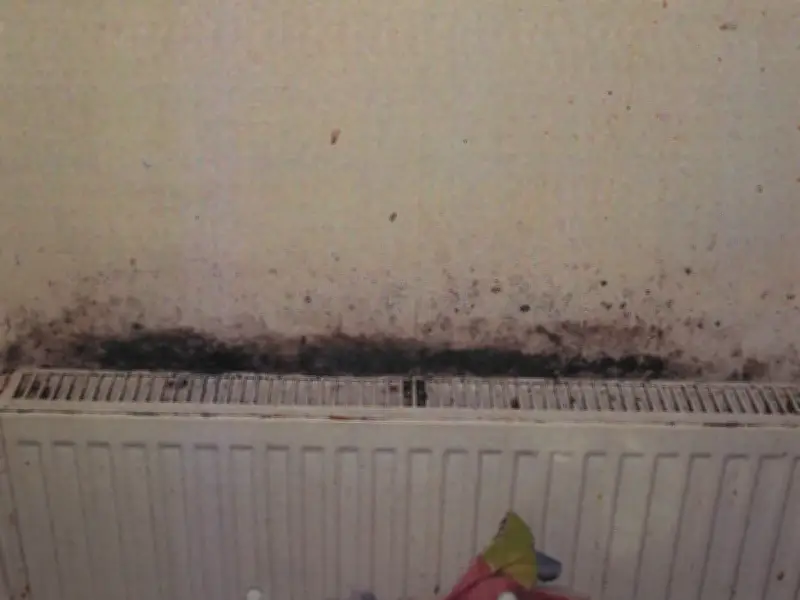
Awaab Ishak died in December 2020 from a respiratory condition caused by prolonged exposure to mould in his family's housing association flat in Rochdale, Greater Manchester. The toddler's death caused outrage and prompted the passage of Awaab's Law, which requires landlords to fix reported hazards in social housing more speedily and rehouse tenants in safe accommodation if necessary.
The rules apply to hazards which cause a significant risk of harm and which are caused by a defect in the building that is in the landlord's control to fix.
Government and sector response
The Government said it is considering plans to extend Awaab's Law to private renters, homeless families, care leavers and people in supported housing.
Housing Secretary Angela Rayner said: "Awaab's death was a preventable tragedy, and today's expansion of the law is a crucial milestone for all those who have fought tirelessly for change in his legacy."
Gavin Smart, chief executive at the Chartered Institute of Housing (CIH), said: "Phase two of Awaab's Law coming into force is an important step towards safer, healthier homes for social housing residents."
Clare Miller, chief executive of housing association Clarion Housing Group, said: "A tragedy like Awaab Ishak's must never happen again, which is why we support the expansion of Awaab's Law to a wider range of hazards, giving residents clear timescales for problems to be investigated and made safe."