Constructive Unity Takes Center Stage at Labor's 50th National Conference
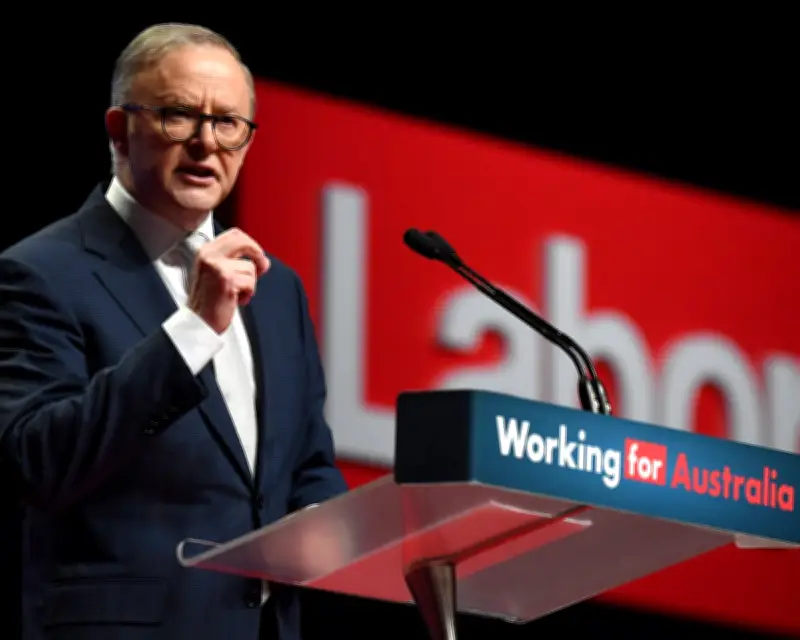
As Labor MPs, trade unionists, and rank-and-file members prepare to gather in Adelaide for the party's 50th national conference, the atmosphere is expected to be markedly different from the divisive battles of previous years. Instead of factional feuds, the event is anticipated to showcase 'constructive unity,' a deliberate strategy to reinforce the public's perception of Labor as a stable party amid the rise of One Nation, the Coalition's collapse, and the Greens' stagnation.
One MP remarked, 'It is better to be boring than chaotic,' highlighting the party's focus on presenting a unified front. The conference, running from August 17 to 19, will update Labor's national platform—a document outlining core beliefs, values, and policy priorities—but the parliamentary wing is not bound to immediately act on its resolutions.
Key Debates: Gambling, AI, and Mining Subsidies
Despite the push for harmony, several contentious issues are expected to spark debate. Gambling advertising legislation is a key point, with the draft platform committing Labor to cracking down on online gambling inducements—a recommendation from the Murphy report that was omitted from the government's draft laws. The position was endorsed at the New South Wales Labor conference, and multiple federal MPs support stronger action. One MP described inducements to gamble as 'pretty egregious.' If the amendment passes, the government will face pressure to insert anti-inducement measures into the draft bill.
On artificial intelligence, unions are pushing for stronger worker protections and requirements for datacentre operators to hire apprentices in construction, following the prime minister's outline of a more interventionist approach to AI management.
Pro-environment grassroots members are campaigning to wind back the diesel fuel rebate for Australia's biggest miners. The Labor Environment Action Network's proposal to ax 'disincentives for decarbonisation' was not adopted in the draft platform, despite over 350 local branches passing motions in support. Left faction delegates and MPs like Jerome Laxale are expected to revive the issue, possibly with revised wording.
Gas Tax and Aukus: Steps Too Far?
A campaign for a 25% gas export tax, championed by the Australian Council of Trade Unions and independent senator David Pocock, faces headwinds. One right faction powerbroker said the gas tax and fuel credit proposals are 'probably a step too far' due to uncertainty in the Middle East. The US and Israel's war in Iran and the ensuing global fuel shock have dimmed prospects for immediate changes to the tax credits scheme.
Similarly, the Aukus nuclear submarine program remains a divisive issue. Motions condemning the pact have been passed at dozens of Labor branches and Victoria's state conference, but anti-war campaigners are pessimistic about any resistance being debated. A senior left figure admitted, 'We have all admitted that we have lost; we need to stop flogging a dead horse.' Aukus will be discussed off the main floor at fringe events hosted by Labor Against War and the Australian Institute.
Platform Signposts and Membership Disconnect
The draft platform, co-chaired by Anthony Albanese and outgoing president Wayne Swan, includes input from federal MPs, trade unionists, and branch members. The prime minister's direct involvement and multiple consultation rounds have settled most language, reducing the need for floor fights. However, about 150 of the 400 voting delegates are chosen by local branches, representing the rank and file. If neither a gas tax nor fuel credit proposal is endorsed, it will indicate a disconnect between the government and its membership base, where both policies are broadly supported.
The conference also features a 'Fringe' program organized by the Chifley Research Centre, open to the public, covering topics from an Australian republic to the far right and armed conflict laws. Emma Dawson, the thinktank's executive director, said, 'I think it demonstrates Labor's interest in the views of all Australians, its appetite for discussion and debate around not just current policies, but what issues might face us in the future.'