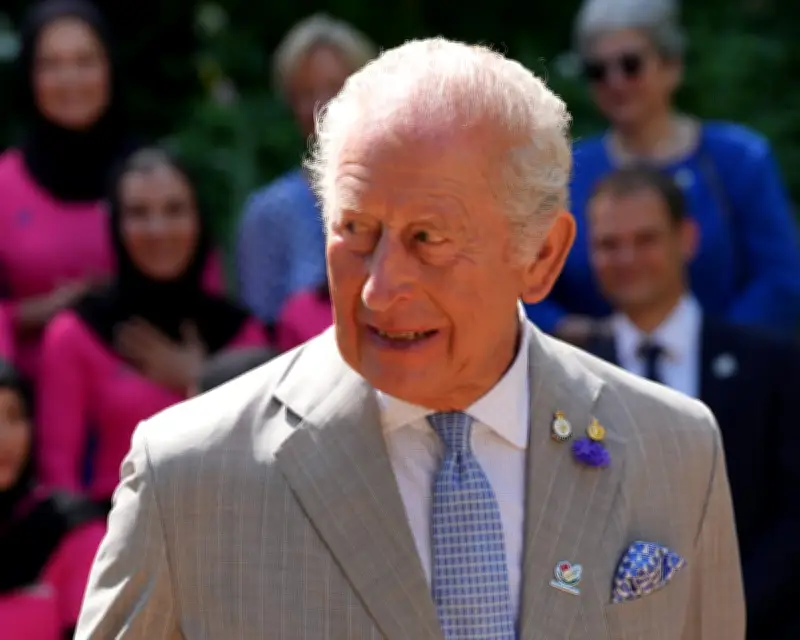
King Charles has become the first British monarch in modern times to disclose how much tax he pays on his private income, revealing a total of £24.6 million over the last two tax years. The figure, published in the royal household's annual report, shows £12.9 million payable for 2024-25 and £11.7 million for 2023-24. Buckingham Palace stated it was the king's "express wish" to release this information, framing it as part of a broader effort to increase openness with the public.
Mixed Reactions to Transparency Move
While some have praised the publication as a step toward greater accountability, sceptics view it as a strategic response to mounting pressure. The royal family has faced intense scrutiny following controversies involving Prince Andrew, prompting MPs to demand more detailed financial disclosures. Additionally, public support for the monarchy appears to be waning, with a growing number of Britons questioning its relevance and cost. Critics argue that the limited data released does little to address these concerns.
What the Tax Bill Reveals and Conceals
The declaration confirms that the king voluntarily pays tax on his private income, a practice started by his mother in 1993, as British monarchs are not legally liable. However, the report does not specify the income on which the tax is based. The Duchy of Lancaster, which provides the king's official income, generated £25.2 million in 2025-26 (up from £24.4 million the previous year), but earnings from his private estate—including financial investments and property—remain undisclosed.

Another key omission is the amount deducted for official expenses. Any expenditure incurred in the course of royal duties is tax-exempt, potentially amounting to millions, but no figure has been provided. The report merely states that the total tax payable since Charles's accession exceeds £30 million, leaving substantial gaps in understanding.
The Mystery of the King's Wealth
The publication does little to clarify the monarch's overall net worth. The Guardian conducted a comprehensive audit in 2023, estimating Charles's personal wealth at £1.8 billion, based on assets including country estates, jewellery, artworks by Monet and Dalí, luxury cars, racehorses, and rare stamps. Buckingham Palace dismissed the figure as "a highly creative mix of speculation, assumption and inaccuracy," but maintains a policy of not commenting on the royal family's private finances.
Further Transparency Measures Available
Campaigners highlight several areas where the king could enhance transparency. Eleven Windsor family members carry out official duties, with seven receiving income from Charles's personal wealth, but individual payments are no longer disclosed. This practice ended in 2011 under David Cameron's government. Additionally, the Windsors have received gifts worth millions—such as paintings, jewellery, and horses—over decades, but it is unclear whether these were personal or official, or what became of them. Many appear to have been absorbed into the family's private fortune.
Charles could also address the secrecy surrounding 33 Windsor wills sealed since 1911, including those of minor royals. Normally, wills in Britain are public documents. Ending this practice and ordering retrospective openings would significantly increase accountability.