NBA's Jaden Ivey Waiver Exposes Athlete Expendability, Not Inclusion
Jaden Ivey Waiver Shows Athlete Expendability in NBA

Jaden Ivey's Waiver Reveals Harsh Truths About Professional Sports

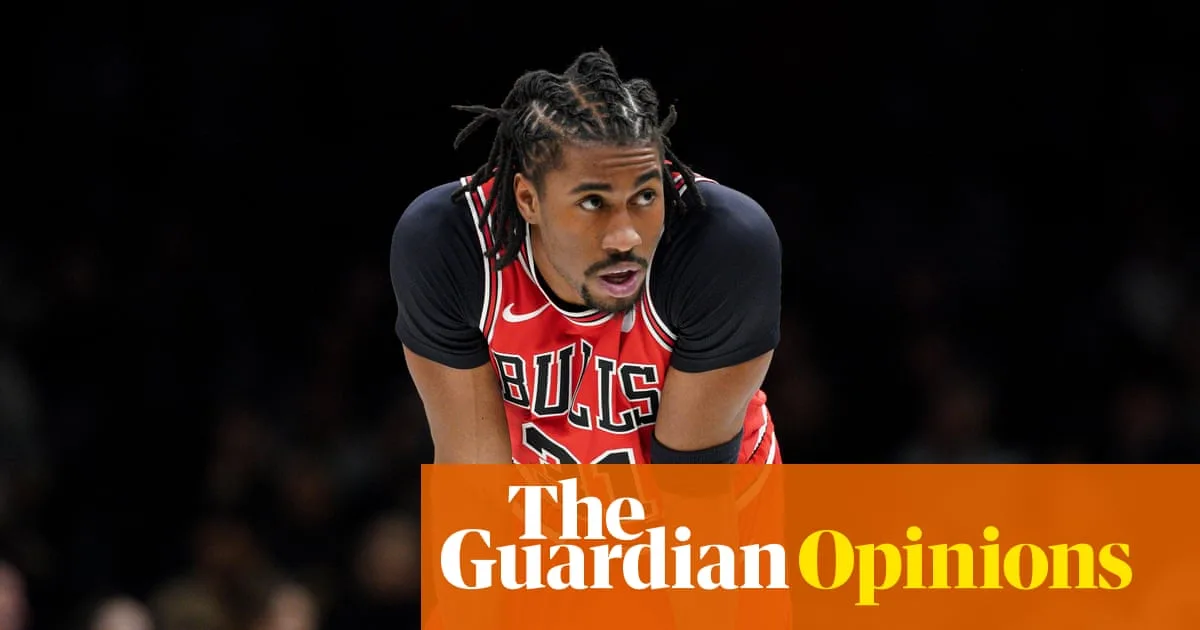
When the Chicago Bulls waived Jaden Ivey this week following a series of unprompted anti-LGBTQ and religiously charged social media comments, the move was officially labeled as a response to "conduct detrimental to the team." On the surface, this appears to be a straightforward case of an organization taking a stand against harmful rhetoric. However, a deeper examination reveals a more complex narrative about athlete expendability and the selective enforcement of inclusion policies in the National Basketball Association.

The Role of Talent in Shielding Controversial Voices

There exists an alternate version of this story where Ivey remains in the league. In this scenario, a swift and carefully crafted apology, perhaps coupled with a fine or a charitable donation, allows him to return to the court and pursue his NBA dreams. The league, after all, has publicly supported LGBTQ+ rights for over a decade. Yet, Ivey's words laid bare his personal beliefs, and the subsequent actions of the Bulls exposed a critical dynamic: how teams decide which voices merit protection and which are deemed easily disposable.

As a former NFL player, I can attest that locker room conversations rarely delve into topics of queer acceptance or deep religious doctrine. When religion is discussed, it typically centers on personal faith and community contribution. Ivey's comments, however, did not surprise me. In many locker rooms, his views on Pride Month would find agreement among teammates. The NFL's first openly bisexual player, I have shared spaces with individuals holding similar perspectives, just as Ivey has likely been alongside players like myself, whether openly identified or not.

Wide Pickt banner — collaborative shopping lists app for Telegram, phone mockup with grocery list

The Impact of Public Versus Private Discourse

Ignorant remarks are not uncommon in athletic environments, but these moments often spark peer conversations that foster growth and understanding. The unspoken rule, however, is that such discussions largely remain within the locker room, to be resolved among teammates. What distinguished Ivey's situation was the public nature of his comments, moving them from internal dialogue to external scrutiny.

Moreover, the swiftness of his release underscores a brutal reality: his lack of star power made him vulnerable. With a career hampered by injuries and unremarkable performances, teams view players like Ivey as liabilities rather than assets to shield. History provides numerous examples of athletes making comparable or worse statements yet facing minimal repercussions because they were superstars.

Contrasting Consequences for Elite Players

When Anthony Edwards, a top young talent in the NBA, posted homophobic content on Instagram, he was afforded time to apologize. Similarly, figures like Rajon Rondo or the late Kobe Bryant faced fines and issued apologies after using homophobic slurs on the court, with no real threat of being cut from their teams. NBA championships and All-Star accolades do not excuse behavior, but they grant players the opportunity to course-correct. The league's public support for the LGBTQ+ community is clear, yet business decisions often prioritize financial impact over moral values. The NBA does not regulate player beliefs; it manages how those beliefs affect its bottom line.

The Broader Implications for Sports Culture

Ivey's waiver does not signify that the NBA has eradicated homophobia within its ranks—an unrealistic expectation. Instead, it demonstrates that teams know how to respond when issues become visible and involve expendable players. Removing one voice does not shift locker room culture, especially when the underlying beliefs are widespread. The NBA manages these tensions rather than eliminating them.

In a league where a player's value dictates consequences, incidents like this reveal the gap between public declarations and private realities. Until that disparity narrows, such controversies will persist, continually finding new avenues to emerge. The lesson here is not one of inclusion triumphing, but of the harsh economics of professional sports, where talent often outweighs transgression.

Pickt after-article banner — collaborative shopping lists app with family illustration