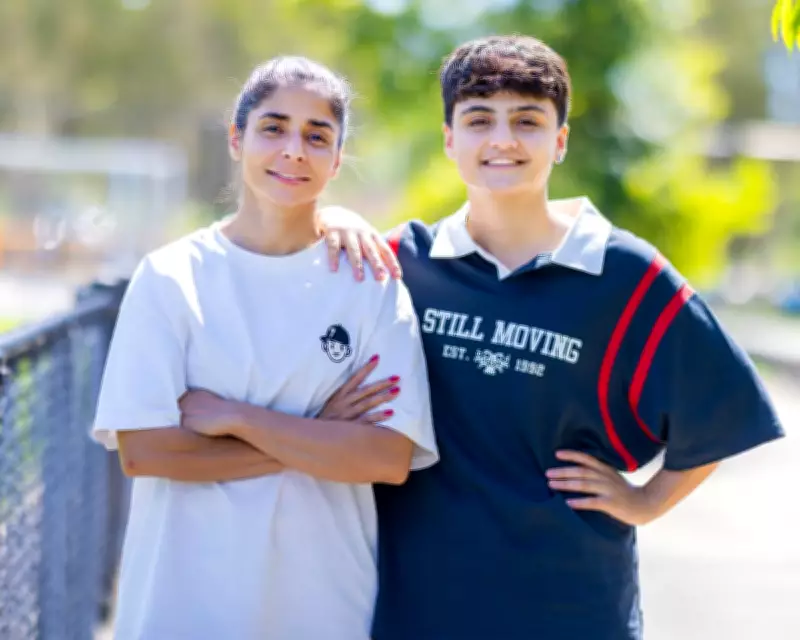
Iranian Women Footballers Granted Asylum in Australia Vow to Continue Sporting Careers
Former members of the Iran women's national football team, Atefeh Ramezanisadeh and Fatemeh Pasandideh, are now settling into their new lives in Australia after being granted humanitarian visas. The athletes have issued a public statement expressing their overwhelming gratitude for the support they have received while respectfully requesting privacy as they begin rebuilding their lives.
Focus on Safety and Future Football Dreams
"At this stage, our primary focus is on our safety, our health and beginning the process of rebuilding our lives," the players declared in their Friday statement. "We are elite athletes, and it remains our dream to continue our sporting careers here in Australia. However, we are not yet ready to speak publicly about our experiences."
The statement was shared by Brisbane Roar, the A-Leagues club that had invited the players to train with them last month. Roar chief executive Kaz Patafta emphasized that the club's involvement was about "providing a supportive environment for them whilst they navigate the next stages" rather than pursuing playing contracts. The club is now directing inquiries about the players to their public relations firm.

Gratitude for Australian Support and Humanitarian Protection
The pair expressed profound appreciation to the Australian government for "granting us humanitarian protection and a safe haven in this beautiful country." They added: "The compassion and support shown to us during this challenging time has provided us with hope for a future where we can live and compete in safety." They also thanked dedicated Home Affairs staff who have supported them in recent weeks.
This development comes five weeks after a group of six players and one staff member were granted asylum in Australia. Five members of that group have since returned to Iran, leaving Pasandideh and Ramezanisadeh to establish their new lives in Australia.
Background of Team Controversy and Community Support
The Iranian women's football team faced significant criticism in Iran when they chose not to sing the national anthem before their first match at the Women's Asian Cup. This act raised serious concerns about their safety should they return home, triggering an outpouring of support from the Iranian community in Australia.
Community members attended the team's Queensland hotel and at one point blocked the departure of the team's bus in a show of solidarity. Pasandideh and Ramezanisadeh acknowledged this support, stating: "We are overwhelmed by the warmth and generosity of the Iranian diaspora community in Australia. Your support has made us feel welcome and less alone as we navigate this transition."
Recent Developments Involving Former Teammate
Interest in the players' welfare was renewed this week when their former teammate and captain, Zahra Ghanbari, had her assets frozen by Iranian officials who labeled her a "traitor." The assets were reportedly released after "a declaration of innocence following her change in behaviour." This incident highlights the ongoing challenges faced by athletes who have taken political stands.
As Ramezanisadeh and Pasandideh settle into their new Australian home, they remain determined to pursue their football careers while navigating the complexities of starting anew in a foreign country. Their journey represents both the challenges and opportunities facing athletes who seek asylum while maintaining their professional ambitions.