

Will ICE Overshadow the 2026 World Cup? Fears Over Immigration Enforcement
As the United States gears up to co-host the 2026 FIFA World Cup alongside Mexico and Canada, growing anxieties are emerging about the potential impact of immigration policies on the tournament. Khalid Sayed of the African National Congress has voiced fears that visa cancellations and the visible presence of US Immigration and Customs Enforcement (ICE) at sporting events could define the atmosphere of the beautiful game.
Politicising the Pitch: A Troubling Trend
The recent Winter Olympics in Milan offered a stark preview of how international sport can become entangled with US immigration enforcement. Proposed ICE involvement, framed as routine security, sparked protests and highlighted a concerning trend: the normalisation of domestic immigration crackdowns within global sporting arenas. With the World Cup depending on millions of supporters, often from the Global South, crossing borders, these issues take on heightened significance.
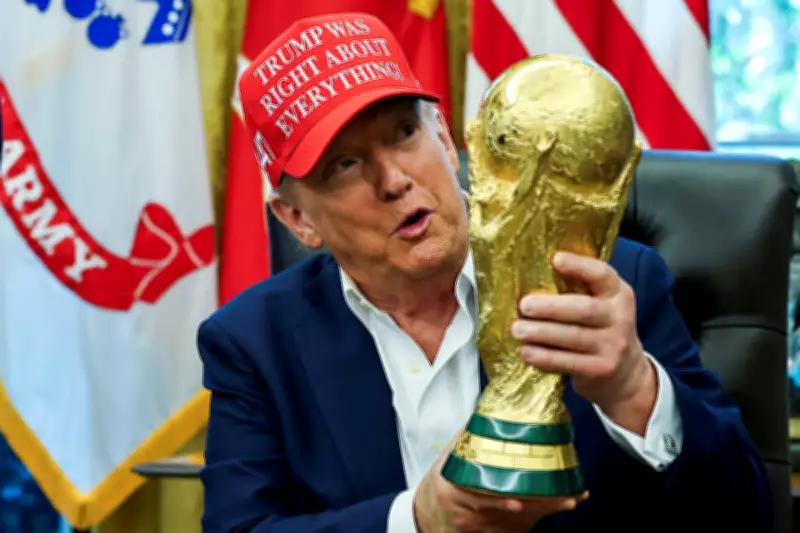
President Donald Trump has already utilised FIFA's platform to advance his political image, notably receiving a peace prize at the World Cup draw in Washington. Now, federations, sponsors, and political leaders, including UK MPs, are urging FIFA to seek clarity on how immigration enforcement might shape the tournament. Debates in host cities have begun over responses to ICE's visible presence at football events.

Visa Challenges and Fan Safety
Reports of large-scale visa cancellations linked to the multi-city tournament have surfaced, with American officials stressing these are not tourist visas. However, this distinction provides little comfort to supporters facing unpredictable processing times, heightened scrutiny, and the possibility of ICE enforcement around matchdays. Extended travel bans affecting countries like Senegal, Côte d'Ivoire, and Haiti raise a stark question: will fans be allowed to attend, and will they feel safe if they do?
Sport has never been neutral, especially in America, as seen with Colin Kaepernick's protests igniting the Black Lives Matter movement. Today, governments are increasingly politicising the pitch, turning soft culture into a projection of state power. Historical parallels exist, such as the 1936 Olympics used for pro-Hitler propaganda or apartheid South Africa's use of sport to project normalcy abroad, until international boycotts forced change.
Global Football's Legitimacy at Stake
Global football's legitimacy relies on widening participation from historically excluded regions. The 2010 World Cup in South Africa symbolised this opening, celebrated as a milestone for African inclusion. Investments, like Youngone Corporation supporting Bangladesh's women's national team, create pathways for underrepresented nations. However, these efforts presume free travel access for players, fans, and federations. When mobility is curtailed, decades of globalising the game are undermined.
For Trump, travel hesitancy or empty seats could undercut the World Cup's image of strength, a key metric for an administration focused on optics like crowd size and prestige. This creates leverage for coordinated international pressure from sponsors, participating nations, and federations to push for explicit guarantees on visa access and enforcement scope.
Call for Action and Future Implications
A ring-fenced, fast-track World Cup visa regime with transparent criteria and guaranteed timelines could restore confidence without compromising security. FIFA and participating nations should insist on tournament-specific visa protocols insulated from broader political crackdowns. Sponsors must ensure enforcement operations are not staged for symbolic effect. Sporting access should be treated as critical infrastructure, not collateral in domestic culture wars, to prevent erosion of US soft power.
With the Los Angeles Olympics approaching in 2028, the precedent set now will extend far beyond a single tournament, shaping the future of international sport and immigration policy intersections.






