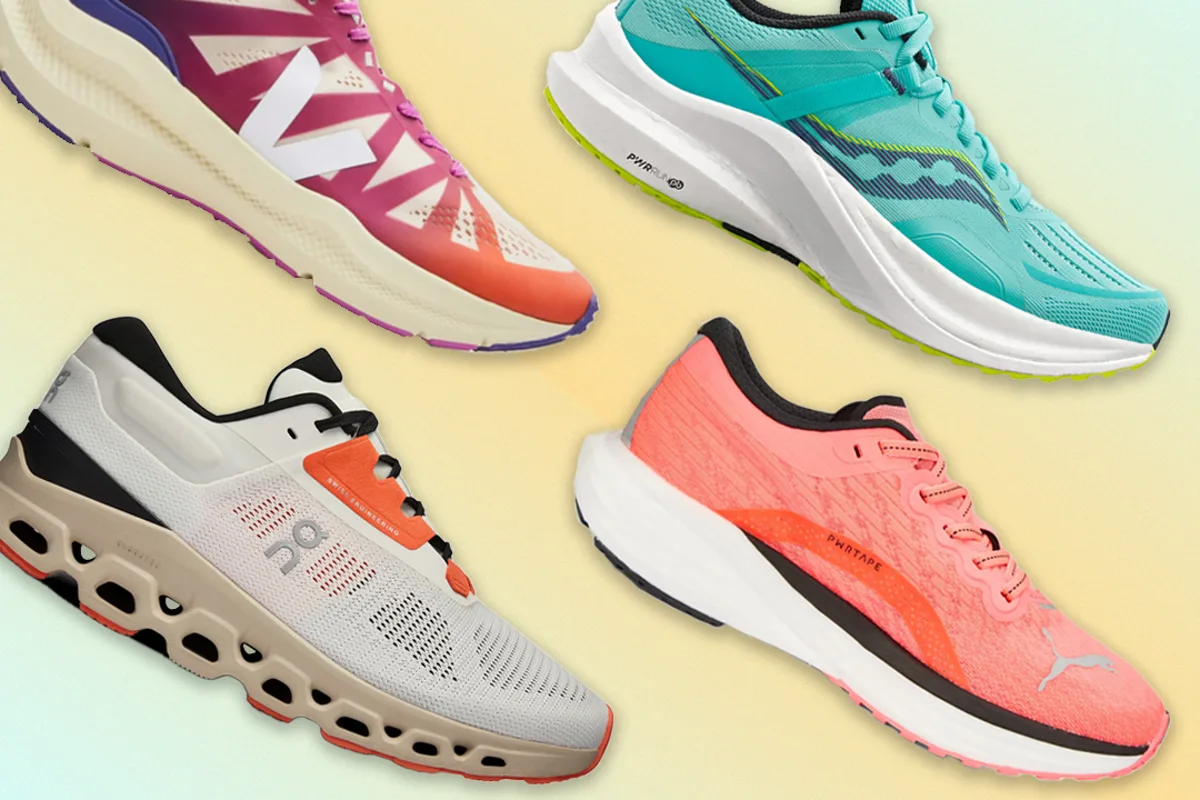
Choosing the right running shoes is crucial for comfort and injury prevention, according to experts. Poorly fitted footwear can lead to niggles and long-term issues, making it essential to prioritise function over style. Sarah Campus, founder of LDN Mums Fitness, notes that running is high-impact and proper shoes protect joints from pain.
Key fit guidelines include ensuring no pressure on the sides of the feet and leaving a thumb's width of space at the toe to accommodate foot expansion during exercise. A gait analysis at a running shop is recommended to determine if you overpronate or have a neutral stride, helping select the right support level.
Consider the type of running you'll do—trail, road, track, or racing—as shoes vary in cushioning, shock absorption, and ankle support. Campus advises choosing styles with elevated heels and cushioned soles to minimise joint impact.

Our team tested each shoe over at least 10K (except distance-specific models), assessing comfort, cushioning, energy return, durability, and stability. We consulted professional athletes, trainers, and sport scientists to ensure objective recommendations.
One standout is a super-responsive shoe with structured cushioning that provides excellent energy return without feeling dull. It offers reassuring support suitable for neutral runners, especially when form slips, with a lightweight build, great arch support, and a secure heel cup.