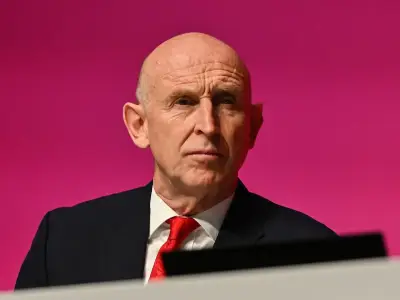
Chancellor John Healey has announced that HM Revenue and Customs (HMRC) will be given new powers to help collect more tax, as part of reforms to how self-assessed income tax is collected.
In his Budget speech on Wednesday, October 28, Mr Healey said the reforms would see those affected make “smaller, more regular payments” to the tax office, rather than large bills “that are often harder to pay”. HMRC will also receive additional funding to help implement these changes.
Reforms to tax collection and investment rules
Mr Healey said people who are “taking profits out of companies are taxed consistently”, but added that he would protect “genuine transactions and families passing their businesses down to the next generation”.
He also told MPs that investment by foreign sovereigns would be modernised to bring UK rules “more in line with other investment and other nations”.
VAT changes for taxi companies
Additionally, he announced plans that will see VAT rules changes for larger taxi companies to ensure they “play by the same rules, no matter where they are located, while still protecting smaller local firms”.
Who must send a tax return
Under HMRC rules, you are required to send a tax return if in the last tax year from April 6 to April 5, any of the following applied:
- You were self-employed as a ‘sole trader’ and earned more than £1,000 (before taking off anything you can claim tax relief on)
- You were a partner in a business partnership
- You had to pay Capital Gains Tax when you sold or ‘disposed of’ something that increased in value
- You had to pay the High Income Child Benefit Charge and do not pay it through PAYE
- You are an off-payroll worker who is repaying a student or postgraduate loan
You may also need to send a tax return if you have any untaxed income, such as money from renting out property, tips and commission, savings interest, dividends or foreign income.